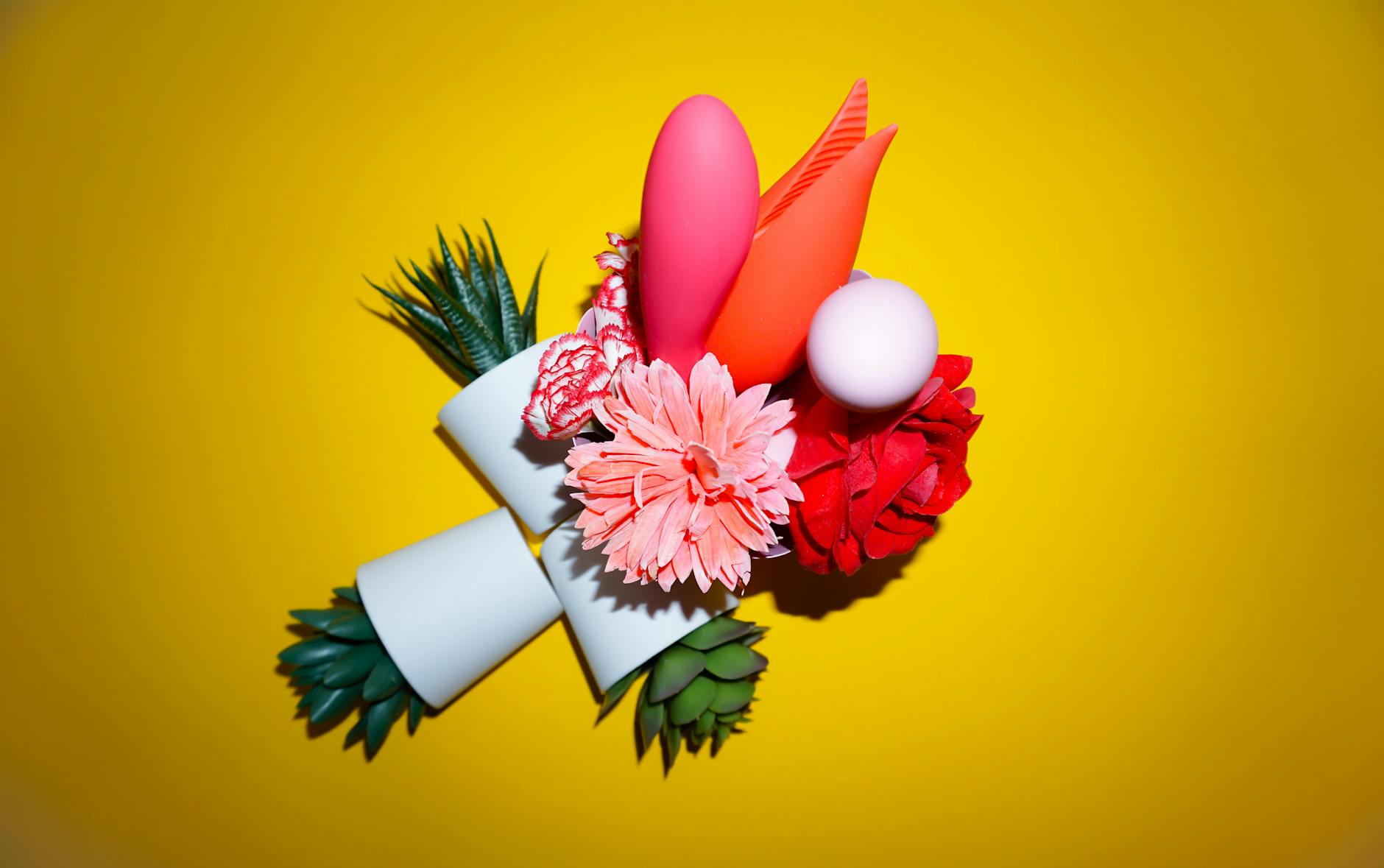
Here's what nobody tells you about breakup pleasure
Your body feels different after a breakup. Not in the way you'd expect. You can still use a lemon vibrator, still reach orgasm, still physically go through all the motions. But the sensation itself? That changes. And the most confusing part is that it's not broken. It's not permanent. It's just... muted.
This is what I hear most often from clients rebuilding their sexual selves after a relationship ends: "Everything works, but it feels like I'm watching it happen from somewhere else." That's not uncommon. It's a predictable neurochemical response to grief and identity disruption.
What actually happens to pleasure during breakup grief
When a relationship ends, your brain loses something it was bathing in regularly: oxytocin, the bonding hormone. Oxytocin is released during sex, cuddling, intimate conversation, and all the small physical rhythms that long-term couples build together. Your dopamine system, which drives desire and reward sensation, also gets disrupted.
At the same time, cortisol (your stress hormone) climbs. Your amygdala, the threat-detection part of your brain, goes on high alert. And your prefrontal cortex, the thinking-ahead part that normally helps you enjoy pleasure, gets flooded with rumination and memory loops.
The result: your nervous system is in a state of protection. Pleasure gets pushed down the priority list. That's not a character flaw. That's your brain doing its job.
Additionally, many people experience anhedonia after a breakup, a clinical term for the temporary inability to feel pleasure in things that normally bring it. It's especially common in the first 4 to 8 weeks.
Why your lemon vibrator might feel less intense right now
Three overlapping reasons explain why clitoral stimulation feels flatter or more distant after a breakup.
Your arousal baseline is lower. Without the cascade of touch, attention, and anticipation that a partner provided, your nervous system doesn't reach the same peak readiness. A lemon vibrator still works, but you're starting from a lower baseline, so the distance to climax feels longer and the destination feels less rewarding.
Your reward system is temporarily recalibrated. Dopamine doesn't fire as readily on things that aren't survival-critical. Right now, your brain is treating pleasure as optional and emotional recovery as urgent. It's a metabolic trade-off. This shifts over time as the grief subsides, but in the acute phase, you're working against your own neurochemistry.
You're experiencing dissociation. Many people report feeling emotionally distant from their own body during sex after a breakup. This isn't psychological weakness. It's a trauma response. Your body learned that being vulnerable with another person led to pain, so it creates distance between your conscious mind and your physical sensation. It's protective. It's also temporary.
The identity piece nobody mentions
Here's the part that's harder to talk about: after a long relationship, pleasure was often threaded through your identity with that person. You were the person who enjoyed being touched by them. You were the person who liked this specific thing during sex. You had a role.
When that relationship ends, you lose not just a partner but a version of yourself. And solo pleasure suddenly feels like stepping into unfamiliar skin. The lemon vibrator isn't a replacement for that identity. It's a tool for rebuilding a new one. That reconstruction takes emotional space, not just physical technique.
Many clients tell me that the first time they use a vibrator after a breakup, there's a disorientation that goes deeper than numbness. It's a reminder that they're alone. That can actually block pleasure more effectively than hormones.
How to rebuild orgasm sensation after a relationship ends
Three strategies, in order of importance.
Start with permission, not performance. Don't approach solo play right now with the goal of reaching orgasm. That's backward. You're setting yourself up for disappointment. Instead, use your lemon vibrator or other clitoral vibrators with zero expectation. Explore what feels different. Notice where sensation is present and where it feels absent. This is research, not performance.
Rebuild sensation through non-goal-oriented touch. Spend time touching your body without the lemon vibrator. Hands only. No orgasm required. This rewires your nervous system to associate touch with comfort instead of performance. A lot of breakup numbness is protective dissociation. You're telling your body it's safe to feel again.
Separate physical touch from emotional meaning. Right now, pleasure is tangled up with grief, loneliness, and identity loss. Use your lemon vibrator as a physical sensation, not as an emotional experience. It's technically possible to orgasm while your emotional world is falling apart. Those two things are separate.
Also: time genuinely matters. Neurochemical rebalancing takes weeks. Emotional reprocessing takes months. You're not broken if this takes a while.
What "normal" pleasure will feel like again
One day, usually around 8 to 12 weeks post-breakup (depending on relationship length and how long the grieving process is), you'll use your lemon vibrator and notice something shifted. The sensation will feel less distant. The orgasm will register as pleasurable rather than physical completion. You'll feel present instead of watching from somewhere else.
That doesn't mean you'll feel the same way you did in the relationship. You probably won't. But you'll feel like yourself again. A version of yourself that's stronger because you've rebuilt pleasure from the ground up instead of trying to sustain someone else's version of it.
When to seek help
If anhedonia persists beyond 12 weeks, or if you're experiencing numbness across multiple areas of life (food, music, activities you used to enjoy), talk to a therapist or GP. That can signal depression that would benefit from support beyond time and a lemon vibrator.
If you're using solo play as avoidance of grief rather than as part of healing, a therapist trained in breakup recovery can help you sort that out. Pleasure is healthy. Using it to numb out is different, and knowing the difference matters.
FAQ
Why does my orgasm feel like nothing after a breakup?
Your nervous system is in a protective state after emotional trauma. Orgasm is still happening physiologically, but your brain is dampening the pleasure signal to conserve emotional energy for grieving and recovery. This is temporary, usually lasting 4 to 12 weeks depending on the relationship length and how you're processing the loss.
Is it normal to feel emotionally numb during solo sex after a breakup?
Completely normal. Many people describe a feeling of watching the experience happen rather than being inside it. This is dissociation, your mind's way of protecting you while you're emotionally vulnerable. It usually fades as grief subsides.
How long before a lemon vibrator feels pleasurable again?
There's no fixed timeline, but most people report that sensation starts returning around 6 to 8 weeks post-breakup. Full pleasure recalibration can take 3 to 6 months. The duration depends on how long the relationship was, how the breakup happened, and your personal grief pace.
Should I avoid using a vibrator while grieving a breakup?
No. In fact, gentle solo exploration can be part of healing. Just don't expect the same pleasure response you had before. Approach it with curiosity, not performance pressure. It's a way of staying in touch with your body while your emotions are processing.
Can I enjoy my lemon clitoral vibrator while still missing my ex?
Absolutely. Pleasure and sadness aren't opposites. You can feel both at the same time. The key is noticing which one is driving your choice to use it. If you're using your lemon vibrator to connect with your body and rebuild your own pleasure capacity, that's healthy. If you're using it to not feel the sadness, that's different.
What if I'm dating again but still feeling numb with a new partner?
That's usually a sign your nervous system hasn't fully recalibrated yet, or that you haven't fully processed the previous relationship. It's worth taking more time before serious intimacy. A therapist can help you understand whether you're emotionally ready or if there's unresolved grief still in the way.
The bigger picture
After a breakup, your body isn't broken. Your pleasure system isn't damaged. You're grieving. That's a full-body, full-brain process that temporarily changes how sensation feels.
Your lemon vibrator will feel pleasurable again. Your orgasms will register. And your solo pleasure will eventually feel like a choice you're making for yourself, not a ghost of something that's gone.
Until then, be patient with the numbness. It's temporary, and it's a sign your system is working exactly as it should.