The thing nobody explains about refractory periods
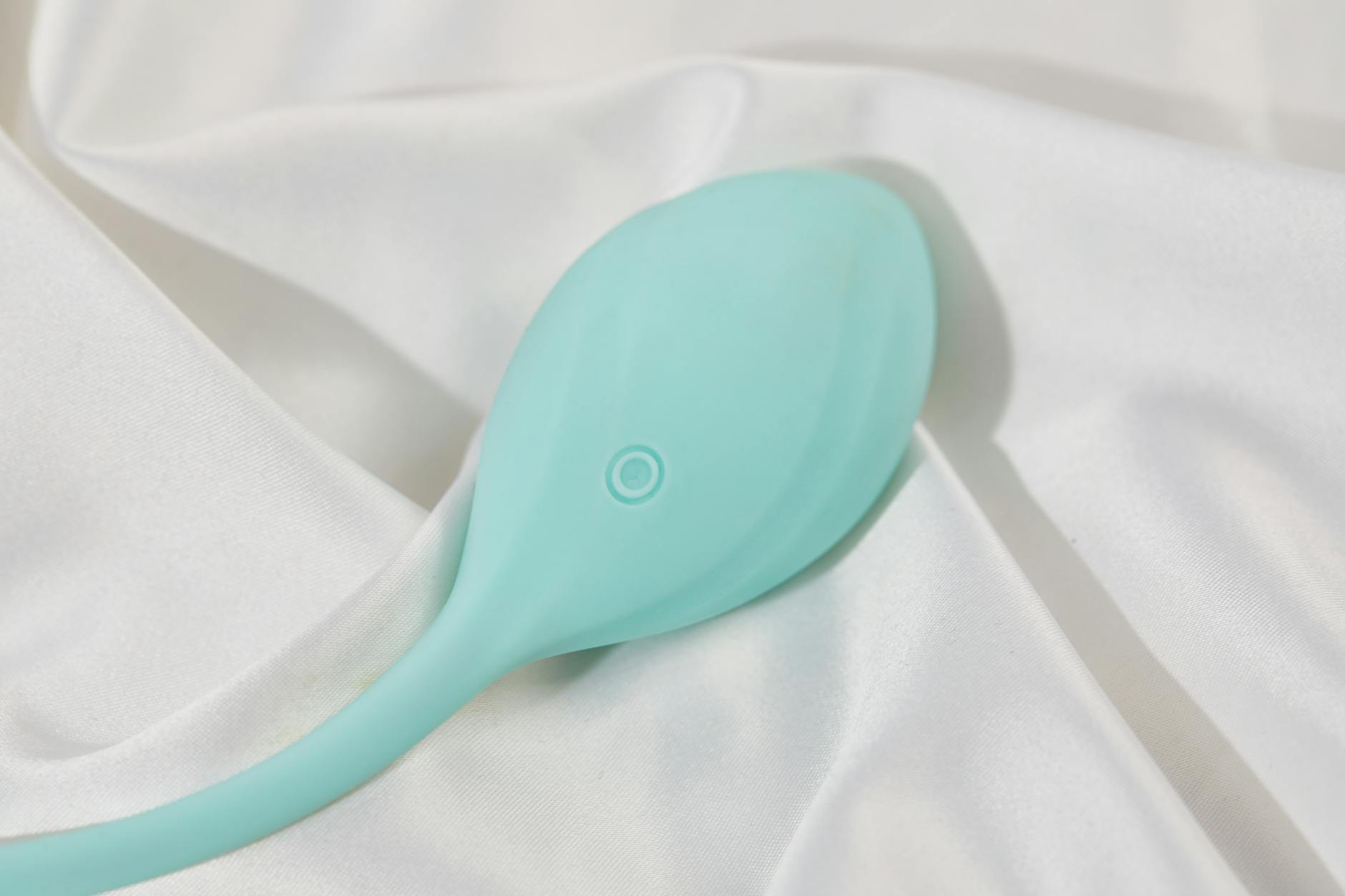
Here's what's real: your body doesn't need as much downtime as you've been told. The idea that you need ten minutes, or thirty, or an hour between orgasms is mostly myth. For people with vulvas especially, the refractory period is wildly variable, and a lemon vibrator—with its unique suction stimulation—can actually shrink it significantly.
Let me be specific. The refractory period is the recovery time your nervous system needs after orgasm before it can build arousal again. For some people that's thirty seconds. For others it's twenty minutes. What changes it? Technique, mental state, age, arousal method, and whether you're using the right tool.
Why traditional vibrators don't tell the whole story
Conventional buzzing vibrators tend to create a longer refractory period because they exhaust the nerve endings through repetitive friction. You get one intense orgasm and then your clitoris needs genuine recovery time. The sensation becomes oversensitive immediately after. It's like your pleasure switch got flipped to off and won't reset for a while.
Lemon suction toys work on an entirely different mechanism. Instead of vibration, they use gentle suction and release patterns that stimulate the whole clitoral complex, not just the surface. This creates a different neurological response. The recovery curve is gentler, which means your body is often ready for another round far sooner.
I've worked with clients who said they could never do multiple orgasms. Switch to suction stimulation and suddenly they're having three or four in a row. The difference isn't strength of will. It's the tool.
The actual timeline
For people with vulvas using a lemon vibrator or similar suction device, here's what the research and clinical experience actually show.
Immediately after orgasm, your clitoris experiences a refractory period that typically lasts anywhere from fifteen seconds to three minutes. This is the absolute minimum. Your nervous system is literally switching gears. During this window, direct stimulation often feels uncomfortable or too intense.
After that initial thirty seconds to three minutes, you enter what I call the "secondary arousal window." Your clitoris is still sensitive, but not painfully so. If you resume stimulation now, with a lighter touch and maybe a shift to a different pattern on your lemon vibrator, you can often build to another orgasm within two to five minutes. This is where multiple orgasms happen.
If you stop and rest, the full refractory period extends to about ten to twenty minutes for most people. But here's the key: if you keep light contact and ride the sensitivity wave, you bypass that waiting period entirely.
What actually controls your recovery speed
Five things determine how quickly your body is ready to go again.
Age and hormone levels. People in their twenties to forties typically have shorter refractory periods. Menopause and hormonal shifts can extend recovery time. But here's the thing: better technique often compensates. I've worked with women over fifty who have shorter refractory periods than people in their thirties because they understand their bodies better.
Mental state. If you're distracted, anxious, or in your head, recovery takes longer. If you're focused and connected to sensation, it's quicker. This is why partner presence matters less than your own attention. A lemon vibrator puts control in your hands, which actually speeds up the process.
Arousal baseline. If you were already highly aroused before the first orgasm, your body is primed to return to arousal faster. Starting with longer foreplay, or keeping the lemon vibrator on a lower pattern immediately after, maintains that baseline.
Stimulation intensity. The harder the orgasm, the longer the recovery. This sounds counterintuitive but it's true. A gentle, sustained orgasm created by light suction patterns leaves your nervous system fresher than an intense, explosive one. You can recover faster from pleasure that didn't completely overwhelm your system.
The toy itself. This is where lemon suction vibrators genuinely excel. Because suction distributes pressure across a wider area and uses a rhythmic on-off pattern rather than constant buzzing, the recovery is less exhausting. Your nervous system isn't fried. It's just rested.
How to minimize refractory time in practice
If you want shorter recovery between orgasms, here's what works.
Don't fully disengage after the first orgasm. This is the biggest mistake. Most people stop, catch their breath, and then try to restart. That interruption resets the arousal cycle. Instead, keep your lemon vibrator touching you but lower the intensity by one or two pattern levels. This maintains neural activation without causing oversensitivity.
Focus on breathing. A genuine recovery shortcut is controlled breathing. Deep breaths in and out help your nervous system transition from the orgasm state back into arousal. Holding your breath keeps you stuck in that post-orgasm clarity. Let the breath do the work.
Shift the angle or pattern slightly. Your clitoris has different zones and different nerve clusters. If you move the suction stimulation slightly to one side, or switch from a constant pulse pattern to a wave pattern on your lemon vibrator, you're engaging fresh neural pathways. This feels new and can reduce oversensitivity while building arousal simultaneously.
Keep arousal in your mind. This sounds basic but it works. Don't let your thoughts drift to your to-do list or your worries. Visualize, fantasize, or stay present with sensation. Your brain is the first place arousal lives.
Why the refractory period isn't the same for everyone
I want to address something important here. Some people have virtually no refractory period. They can move from one orgasm to the next with barely a pause. Others have a natural refractory period of thirty minutes or longer. Both are completely normal.
The genetic and hormonal factors at play are beyond your control. But the tool you use and the technique you practice are entirely within your control. Someone with a naturally longer refractory period can still access multiple orgasms by being strategic about how they stimulate. The lemon vibrator's suction mechanism is particularly helpful here because it's gentler on the nervous system than traditional vibration.
When longer recovery is actually better
Here's something counterintuitive: sometimes taking the full refractory period is worth it. If you rush into another round before your body is truly ready, the orgasm quality suffers. You get a smaller sensation, less satisfaction, and sometimes you don't orgasm at all.
If you're genuinely not interested in back-to-back orgasms, don't force it. A single, fully embodied orgasm is infinitely better than three rushed ones. The refractory period exists for a reason. It's not a design flaw. It's your nervous system asking for a reset.
The partner conversation
If you're sharing pleasure with a partner, understanding refractory periods changes everything. Most people think once someone has an orgasm, they're done. But the data—and the experience of thousands of people using lemon clitoral vibrators—says otherwise. A partner who understands that you might want to continue with lighter stimulation, or who respects that you need a full break, is a partner who's actually paying attention.
For long-distance relationships, this matters less in terms of physical coordination, but emotionally it shifts things. If someone asks you to rush or skip your refractory period, that's not about pleasure. That's about their timeline. Your body gets a vote.
FAQs
Is a short refractory period normal?
Completely normal. Some people move from one orgasm to another with ten to thirty seconds of rest. Others take five minutes. There's no "right" timeline. What matters is whether you feel satisfied and present during the experience, not whether you're following some imaginary schedule.
Can I shorten my refractory period over time?
Yes, through practice and better understanding of your body. Learning which patterns on your lemon vibrator work best, understanding your arousal baseline, and staying mentally present all reduce the natural recovery window. But you're working with your neurology, not against it. Expect gradual shifts, not dramatic changes.
Why does my refractory period feel longer than my partner's?
Biology, hormones, and individual nervous system sensitivity all play a role. Testosterone, which some bodies produce more of, shortens refractory periods. Estrogen-dominant systems tend toward longer windows. Age, stress levels, and how recently you had the last orgasm also matter. None of this reflects your capacity for pleasure or your responsiveness. It's just your particular wiring.
Do lemon suction vibrators actually reduce refractory time?
Yes, for most people. Because suction stimulation distributes pressure differently and uses rhythmic patterns rather than constant vibration, the nervous system doesn't experience the same level of exhaustion. Users consistently report shorter recovery windows and easier access to multiple orgasms. But individual responses vary, so test it yourself.
What if I don't want multiple orgasms?
Then don't pursue them. The refractory period isn't a problem to solve. It's information about your nervous system. If one orgasm fully satisfies you, that's not a limitation. That's your body telling you it got what it needed. Respecting that is more important than chasing some abstract goal.
Can stress affect refractory time?
Absolutely. A stressed nervous system takes longer to reset. If you're carrying tension from your day, your refractory period extends. Taking five minutes to genuinely relax, breathe, and settle your nervous system before starting helps far more than anything else. The lemon vibrator is a tool, but your mental state is the real engine.