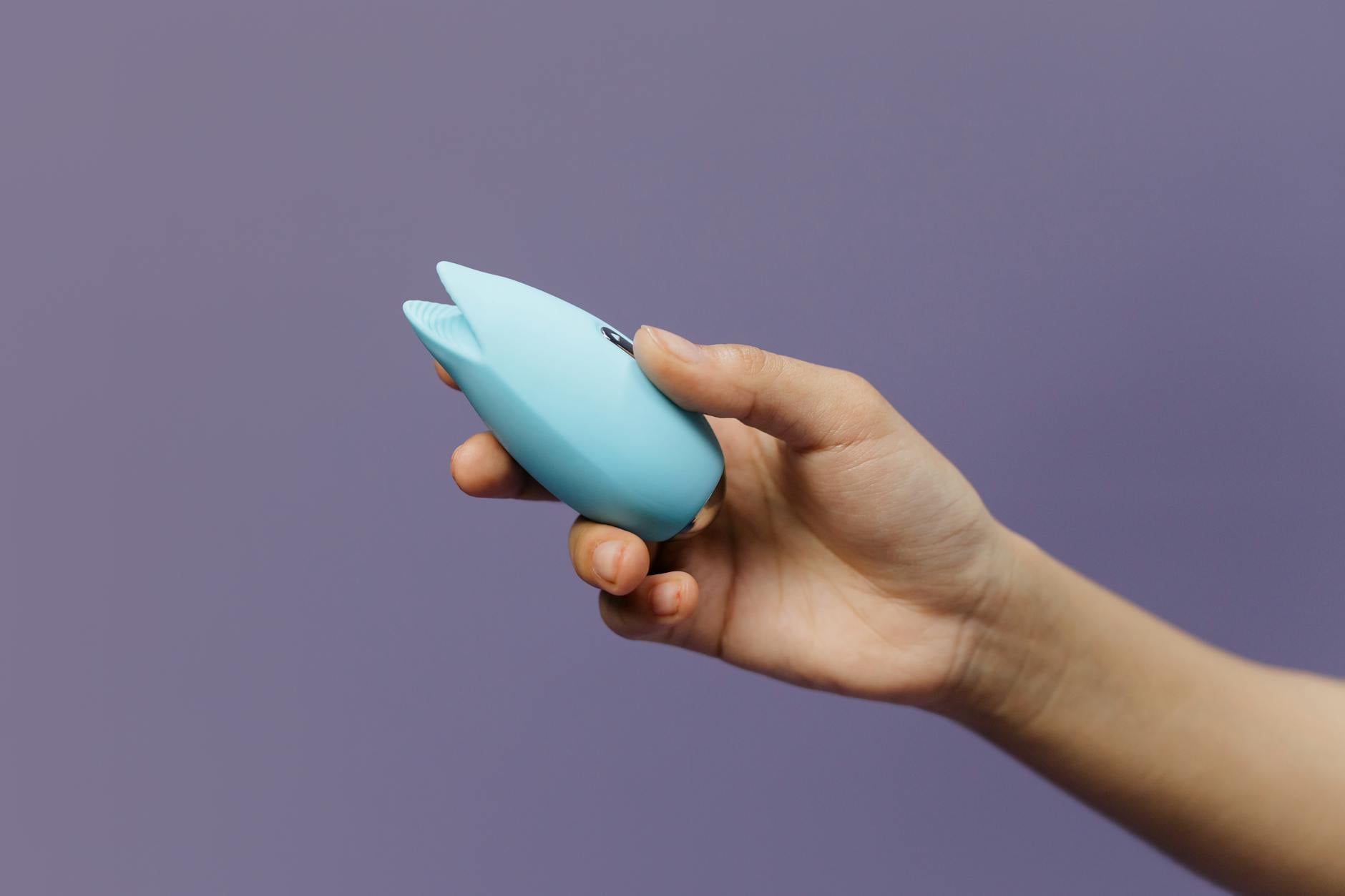
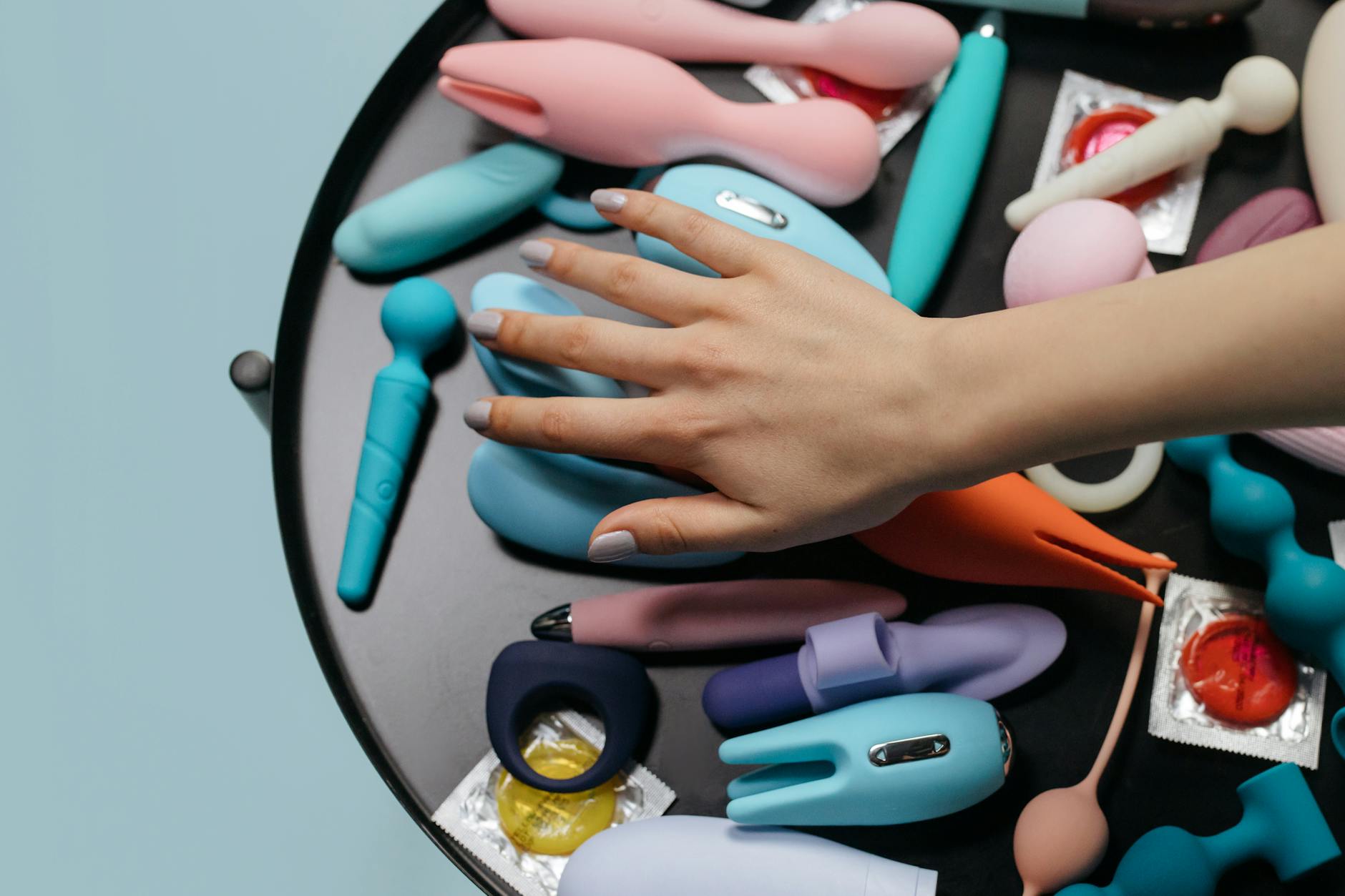
Let's be honest: you bought a lemon vibrator because it felt amazing. Then somewhere around week three or month two, something shifted. The intensity wasn't the same. The suction that made you gasp six weeks ago now feels pleasant but not transformative. You wonder if the device is breaking down, if you're doing something wrong, or if your body has just gone numb to pleasure.
None of those things are true. What's happening is called sensory adaptation, and it happens to everyone who uses any lemon clitoral vibrator or lemon sexual toy consistently. Your nervous system is learning the stimulus so well that it stops over-reacting to it. That's actually evidence that the device works brilliantly. The plateau is temporary, and there are four concrete ways to move through it.
Your nervous system is designed to detect novelty and change. When something new arrives, your sensory neurons fire hard. Over time, if that same stimulus keeps coming, the neurons stop firing as vigorously. They've learned the pattern. This happens with touch, sound, smell, and absolutely with sexual stimulation.
When you first use a lemon vibrator, every pattern feels different. Your body doesn't have a baseline yet. By week two or three, your nervous system has mapped the sensation. The suction pattern at level three on your lem vibrator? Your nervous system now knows exactly what's coming. So it stops sending the "wow, this is intense" signal.
This is the same reason you stop noticing background noise in a café after a few minutes, or why a perfume you loved stops smelling like anything after you wear it daily. It's not that the sensation is weaker. It's that your nervous system has become fluent in reading it.
You can break through the plateau without buying a new device. Sensory adaptation responds to novelty, unpredictability, and breaks. Here's what works.
1. Change the pattern frequently (or use randomization). If you've been using pattern three on your lemon vibrator for six weeks, your nervous system has memorized it. Switch to pattern one, then five, then two. Use a different pattern every session for two weeks. The unpredictability forces your neurons to stay alert. Some clitoral vibrators offer randomized modes. If your lem vibrator doesn't, you create the randomness yourself. You'll likely feel the intensity return within three to five sessions.
2. Take a break (but make it purposeful). A five to seven day break from your lemon sexual toy is often enough to reset your nervous system's sensitivity. You don't need a month. Just a week. Your sensory neurons will start forgetting the pattern, and when you come back to the device, the first session will feel notably stronger. I recommend this break every eight to twelve weeks, not because your lemon clitoral vibrator needs it, but because your nervous system does.
3. Extend your warm-up. Sensation adaptation happens faster when arousal is shallow. If you're jumping straight to your device at level three, your nervous system has less context to work with. Spend 10 to 15 minutes on foreplay or manual stimulation first. Get your heart rate up. Build real arousal. Then introduce the vibrator at a lower level. Your nervous system will perceive the same device as more intense because it's working against a backdrop of genuine arousal instead of neutral baseline sensation.
4. Alternate your intensity sequence. Most people start their session at a low level and dial up. Your nervous system learns this sequence. Reverse it sometimes. Start at level five, dial down to two, then back up to four. Change the order. Use odd-numbered patterns one session, even patterns the next. The unpredictability of the intensity journey itself can reset your perception of the device.
Sensation adaptation doesn't mean you've damaged your nerve endings or that you've become permanently less sensitive. It's not about numbing. It's about familiarization. The same nerve endings will respond exactly as strongly to a novel stimulus as they always did.
This is also why comparing your lemon vibrator experience to someone else's is pointless. If your friend just bought their first lemon clitoral vibrator and it's blowing their mind while yours feels routine, that's not a sign that their device is better or that you're broken. They're in week one. You're in week eight. Your nervous systems are at completely different points on the adaptation curve.
Sensory adaptation isn't purely physiological. Your mental state matters enormously. If you're distracted, stressed, or thinking about work while using your lemon sexual toy, your brain isn't sending strong arousal signals to your body. That mutes everything.
When you're truly present, fully focused on sensation and pleasure, the same device feels more intense. This is one reason why breaking your routine around the device helps so much. You're not just resetting nerve sensitivity. You're resetting your mental approach to pleasure.
Try this: the next time you use your lemon vibrator, set your phone in another room. Dim the lights. Actually tell your brain: "I'm choosing this time for me." The intensity difference you feel isn't because the device got stronger. It's because you removed the cognitive noise that was muting the signal.
Honestly, sensation adaptation is normal and expected. It's not a sign that you need to upgrade to a different lemon clitoral vibrator or that you've somehow broken yourself. It's a sign that your device is working.
If, however, you've taken a week-long break, you've switched patterns, you've extended your warm-up, and the device still feels like nothing, then something else might be going on. Certain medications can genuinely affect sensation. Stress and anxiety absolutely can. Antidepressants in particular change how intensely you experience pleasure. If you're on a new medication and noticed the shift around the same time, that's worth talking about with your doctor.
But 95% of the time, the plateau is just your nervous system doing exactly what it's supposed to do. And you already have the tools to move through it.
Most people notice the plateau somewhere between two to eight weeks of consistent use, depending on frequency. Some people use their lemon clitoral vibrator daily and adapt within two weeks. Others use it a few times a week and don't feel the shift until month three. If you're using your device three to four times weekly, expect the adaptation window to hit around week four.
Yes, but not necessarily in the way you'd think. Using your lemon sexual toy less frequently (say, twice a week instead of five times) will slow down the adaptation process. But if you're already adapted, cutting back alone won't reset you as quickly as a focused one-week break. The combination of less frequent use plus a strategic break works faster than either alone.
Partially. If you own multiple devices (a lemon vibrator, a Berri, a Uno), rotating between them will slow adaptation because each device has slightly different sensation characteristics. Your nervous system has to relearn each pattern. But if you use one device to the point of plateau and then switch, the switch will feel refreshing temporarily, but adaptation to the new device will eventually happen too. Better to rotate before you hit the plateau than to wait until you're bored.
No. If you step away from your lemon vibrator for even three weeks, your nervous system will largely reset. When you come back, the first session will feel notably more intense than your last session before the break. This is actually why many people find that periodic breaks, rather than continuous use, give them the best experience overall.
Absolutely. This works so reliably that I recommend it as the first intervention before taking any break. Spend two weeks rotating through every pattern and intensity combo your device offers. Most people regain noticeable intensity within five to seven sessions because the unpredictability keeps your nervous system engaged.
That's almost always sensory adaptation, not a device failure. But if you're worried the device itself is losing power, here's the test: step away for five days, then use it once. If it feels strong again on day six and then gradually dulls back down over the next week, it's adaptation. If it feels weak and stays weak regardless of breaks, then there's a mechanical issue and you'd want to reach out to our support team at /contact.
The plateau feels frustrating because you remember how good it felt at the start. But that memory is working against you. Week one with any lemon vibrator is the honeymoon phase. Week eight is the real relationship. Both are valid. Both feel good when you're present and you've taken the time to reset your nervous system's baseline.
Your body hasn't betrayed you. Your device hasn't stopped working. You've just learned something profound about how sensation actually works. And now you know exactly how to move through it. The intensity you felt on day one is still available to you. You just have to reach for it with intention.