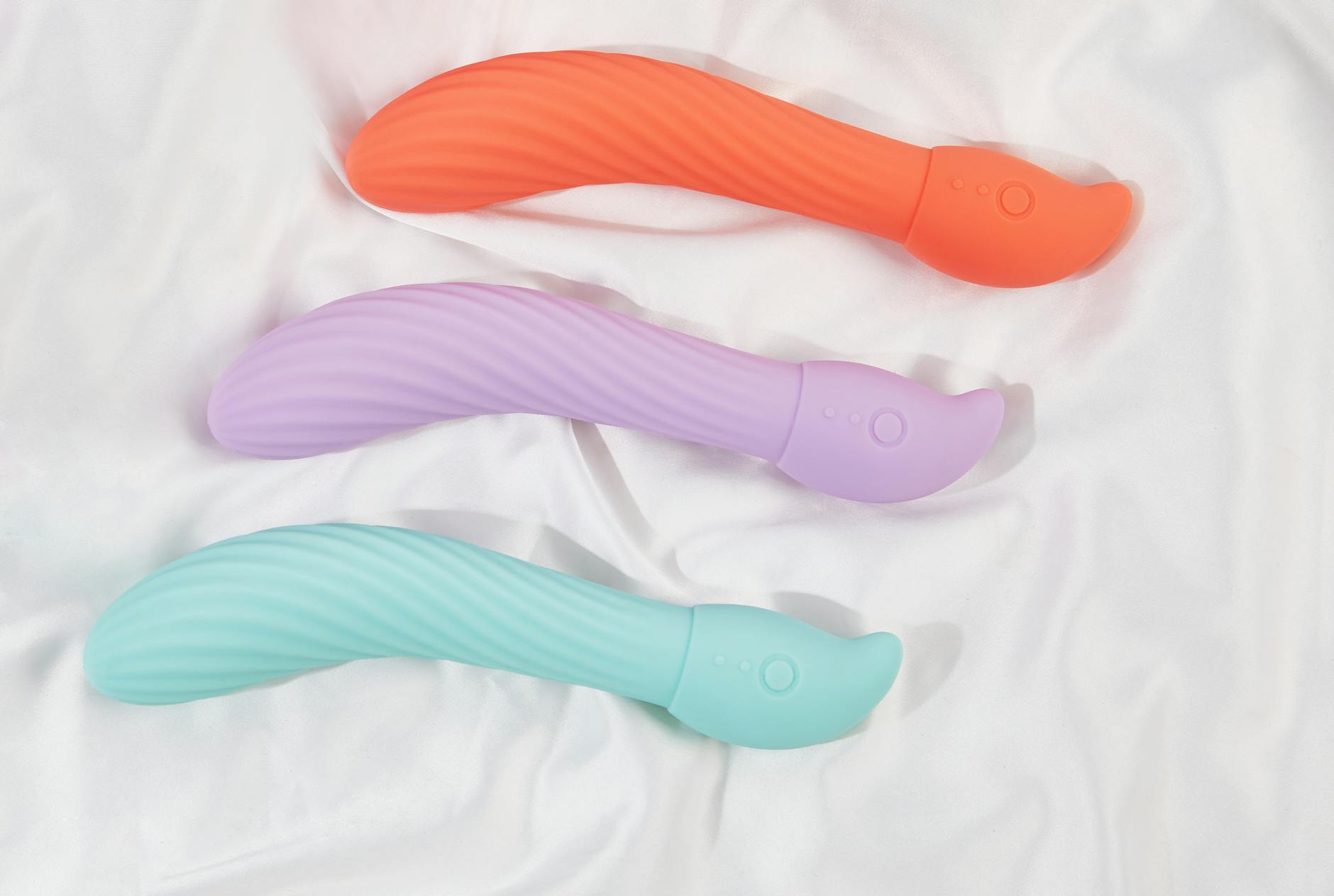
Why lemon vibrators suddenly feel different
Let's be real. You've been using your lemon clitoral vibrator for months. It worked beautifully. Then one day, something shifts. The same pattern that used to bring you to orgasm in minutes now feels like background noise. You're not broken. Your device isn't broken either. What's happening is your body is responding to something real, and understanding it changes everything.
The sensation you get from a lemon vibrator isn't static. It's shaped by hormones, stress levels, blood flow, pelvic floor tension, and even how many times you've used it this week. These aren't flaws in the device. They're features of being human.
How your nervous system adapts to repeated stimulation
Your clitoris contains roughly 8,000 nerve endings. When a lemon vibrator applies consistent suction and vibration, those nerves light up. But here's the thing your brain does automatically: it stops paying attention to stimuli that stay the same. This is called sensory adaptation, and it happens to every sensation you experience. Your body ignores the hum of background traffic, the weight of your clothes, the taste of water.
The same process applies to clitoral stimulation. After 20 or 30 seconds of the same pattern, your nerve endings get used to it. They stop firing with the same intensity. This doesn't mean you need stronger vibration or more suction. It means your nervous system is doing its job. The fix is simple: variation.
This is why lemon vibrators with multiple patterns and intensity levels outperform single-speed devices. You're not chasing novelty for novelty's sake. You're giving your nervous system new information to process.
The hormonal clock that changes everything
Estrogen and testosterone fluctuate across your cycle, across decades, and across life events. Even if you're not menstruating, hormonal shifts still happen. They change blood flow to your genitals, affect lubrication, and change how sensitive your clitoris feels.
In the week after ovulation, progesterone rises. Many people notice their clitoris feels less sensitive during this time. The same lemon vibrator pattern that felt intense two weeks earlier now feels gentler. This isn't imagination. Blood flow to the clitoris actually decreases when progesterone dominates.
If you track your cycle even loosely, you'll probably notice that the intensity setting you use changes week to week. Some people find they need patterns 2 and 3 early in their cycle, but by mid-cycle they're jumping to patterns 4 and 5. This variation is normal and expected. If you fight it, you end up frustrated. If you work with it, pleasure feels easier.
Stress, cortisol, and why your body sometimes goes numb
Stress is an underrated orgasm killer. When your nervous system is in fight-or-flight mode, blood gets diverted away from your genitals and toward your muscles and brain. Arousal requires parasympathetic activation. Your body quite literally cannot feel pleasure when it's braced for danger.
High cortisol from chronic stress, poor sleep, or difficult transitions dampens sexual sensation noticeably. I've worked with clients who swore their lemon clitoral vibrator stopped working during stressful periods. Then, once the stressor lifted, sensation came roaring back. Their device didn't change. Their nervous system did.
This is why the most effective way to restore vibrant sensation isn't a new device. It's sometimes just sleep. Sometimes it's reducing caffeine or alcohol. Sometimes it's managing work stress or relationship tension. Your lemon vibrator can only do so much if your body is in defense mode.
Age, tissue changes, and why sensation shifts after 40
I won't pretend that nothing changes with age. Estrogen does decline over time. Tissue does get thinner. Blood flow does shift. But here's what usually happens instead of loss: specificity increases. Sensation becomes more localized, more concentrated, sometimes more intense.
Many people over 40 report that their orgasms feel stronger and more focused, even if they take longer to build. This isn't a consolation prize. It's often genuinely better than the widespread, diffuse sensation of younger years. Different doesn't mean diminished.
What does change practically is that the warm-up time extends. Your body might need 15 to 25 minutes of varied stimulation instead of 5 to 10. This isn't a problem unless you frame it as one. It's an invitation to slow down, to vary your patterns more, to build sensation gradually. Many lemon vibrator users find this rhythm actually feels richer.
Medication, illness, and other plot twists
Anxiety medications, blood pressure drugs, antihistamines, and even birth control can affect sexual sensation. So can thyroid conditions, diabetes, and hormonal disorders. If sensation has dropped dramatically and stays low across multiple cycles, a conversation with your doctor isn't a loss. It's information. Some medication side effects can be mitigated with dosage adjustments, timing changes, or supplements.
Illness does similar work. When you're fighting off a cold or recovering from surgery, arousal quite reasonably takes a backseat. Blood and energy go to healing. This is temporary, and it usually resolves once your body recovers.
The pattern to watch for: if sensation changed gradually over years, it's probably physiological and manageable. If it dropped suddenly, it might be worth getting checked out.
How pelvic floor tension masks what your lemon vibrator can actually do
Tension in the pelvic floor muscles feels almost exactly like numbness or reduced sensation. A tight pelvic floor restricts blood flow and nerve signaling to the clitoris. The stimulation reaches you, but it feels muffled, like listening through a pillow.
Many people think they need a more powerful lemon vibrator when what they actually need is pelvic floor release. Deep breathing, progressive relaxation, or even just awareness can shift this. Some people benefit from pelvic floor physical therapy. Others find that a few weeks of intentional relaxation practice transforms their sensation completely.
This is worth testing before you assume your device has stopped working. Spend a few nights focusing on relaxing your pelvic floor during stimulation, rather than tightening it. Pay attention to what shifts.
Pattern rotation: the simplest fix
If you've been using the same pattern for weeks, switch it. Not because the pattern is bad, but because your nervous system has catalogued it. Try starting with a lower intensity and higher frequency (more buzzing, less pulsing). Try longer ramp-up phases. Try patterns you skipped before because they felt too intense.
Rotating patterns keeps sensation fresh. It's not that your lemon vibrator weakened. It's that novelty resets the sensory adaptation clock. Your body perks back up.
When to consider recalibration versus replacement
A device is truly worn out when the motor sounds different, when battery doesn't hold, or when the surface cracks. Sensation drift is almost never about the device. It's your body responding to life.
Before you replace a lemon clitoral vibrator, try these first: adjust your patterns, change your warm-up length, vary the intensity throughout, reduce stress if you can, and make sure you're actually relaxed in your pelvic floor. Nine times out of ten, pleasure comes roaring back.
If after honest troubleshooting sensations still feel absent, and if you've ruled out stress and medical factors, that's when a conversation with your doctor or a sex therapist makes sense. Sometimes a combination approach works. Sometimes what you need isn't a new toy. It's a new conversation with your partner, or permission to explore aspects of yourself you hadn't considered.
Building sustainable pleasure over time
The most resilient approach to pleasure isn't finding the perfect device once and relying on it forever. It's developing flexibility. Learning what your body needs right now. Understanding that needs shift. Staying curious about what works as conditions change.
Your lemon vibrator is a tool, and a good one. But the real intelligence lives in you. Your body knows what's happening. It's sending signals all the time. The more you listen to variation instead of fighting it, the more you work with your actual nervous system instead of an imagined ideal, the more your pleasure deepens over years instead of plateauing.
This is what sustainable intimacy looks like. Not finding the one thing that works and stopping there. It's staying engaged, responsive, and willing to adapt.
People also ask
Why does my lemon vibrator feel less intense after using it frequently?
Your nervous system adapts to consistent stimulation through a process called sensory habituation. After repeated exposure to the same pattern, your nerve endings stop firing with the same intensity. This is normal and doesn't indicate a problem with the device. The solution is pattern rotation, intensity variation, and taking breaks between sessions. Even just switching to a different pattern mid-session can reset sensation and bring intensity roaring back.
Can stress actually reduce how much I feel a clitoral vibrator?
Absolutely. When cortisol is high and your nervous system is in fight-or-flight mode, blood flow diverts away from your genitals. Arousal requires parasympathetic activation, which is the opposite of stress. High stress, poor sleep, caffeine, and anxiety all genuinely dampen sensation. Managing stress through sleep, movement, breathing, or therapy often restores sensation more effectively than a new device.
Does a lemon vibrator feel different at different times of my cycle?
Yes. Hormone fluctuations change blood flow to your clitoris and overall sensitivity. Many people notice their clitoris feels less sensitive during the luteal phase when progesterone dominates, and more sensitive during the follicular phase when estrogen rises. This is why the intensity level you need might shift week to week. This variation is expected and manageable with pattern adjustment.
Is it normal for orgasm intensity to change as I get older?
Completely normal. Estrogen decline and tissue changes do happen, but sensation rarely disappears. Instead, it often becomes more localized and concentrated. Many people over 40 report stronger, more focused orgasms even if the build takes longer. The quality often deepens while the speed might extend. This is different, not diminished.
What should I do if sensation has dropped dramatically and won't come back?
Start with the basics: try pattern rotation, reduce stress if possible, check your pelvic floor tension, and ensure you're getting adequate sleep. If sensation remains low across multiple cycles and isn't connected to an obvious stressor, a conversation with your doctor is worth having. Medications, thyroid issues, and hormonal conditions can affect sensation, and many are easily managed once identified.
Can pelvic floor tension actually make my lemon vibrator feel weaker?
Yes. A tight pelvic floor restricts blood flow and nerve signaling, which makes stimulation feel muffled or numb. This mimics sensation loss but isn't actually about the device. Pelvic floor breathing exercises, progressive relaxation, or even simple awareness during use can shift this noticeably. Some people benefit from pelvic floor physical therapy. The distinction matters because the fix is completely different from buying a new vibrator.
The bottom line
Sensation shifts over time. Your body changes. Hormones fluctuate. Stress accumulates and releases. Age brings different qualities rather than loss. A lemon clitoral vibrator that worked beautifully six months ago might feel different now. This isn't failure. It's information. Learning to read your body's signals, adapt your approach, and work with natural variation is what keeps pleasure alive across years and decades. Your device is fine. Your nervous system is fine. You're just being human.
If you're noticing bigger shifts or want expert guidance on navigating changes, our team is here. Reach out to contact us with your specific situation.
References
- International Society for Sexual Medicine. (2018). Impact of sensory adaptation on sexual response cycles.
- Kingsberg, S. A., et al. (2019). Physiological mechanisms of sexual function and dysfunction. The Journal of Sexual Medicine.
- Ley, D. J. (2009). Insatiable: Porn induced sexual dysfunction and what to do about it.
- Komisaruk, B. R., & Whipple, B. (2005). The central nervous system and sexual function. The Journal of Sexual Medicine.