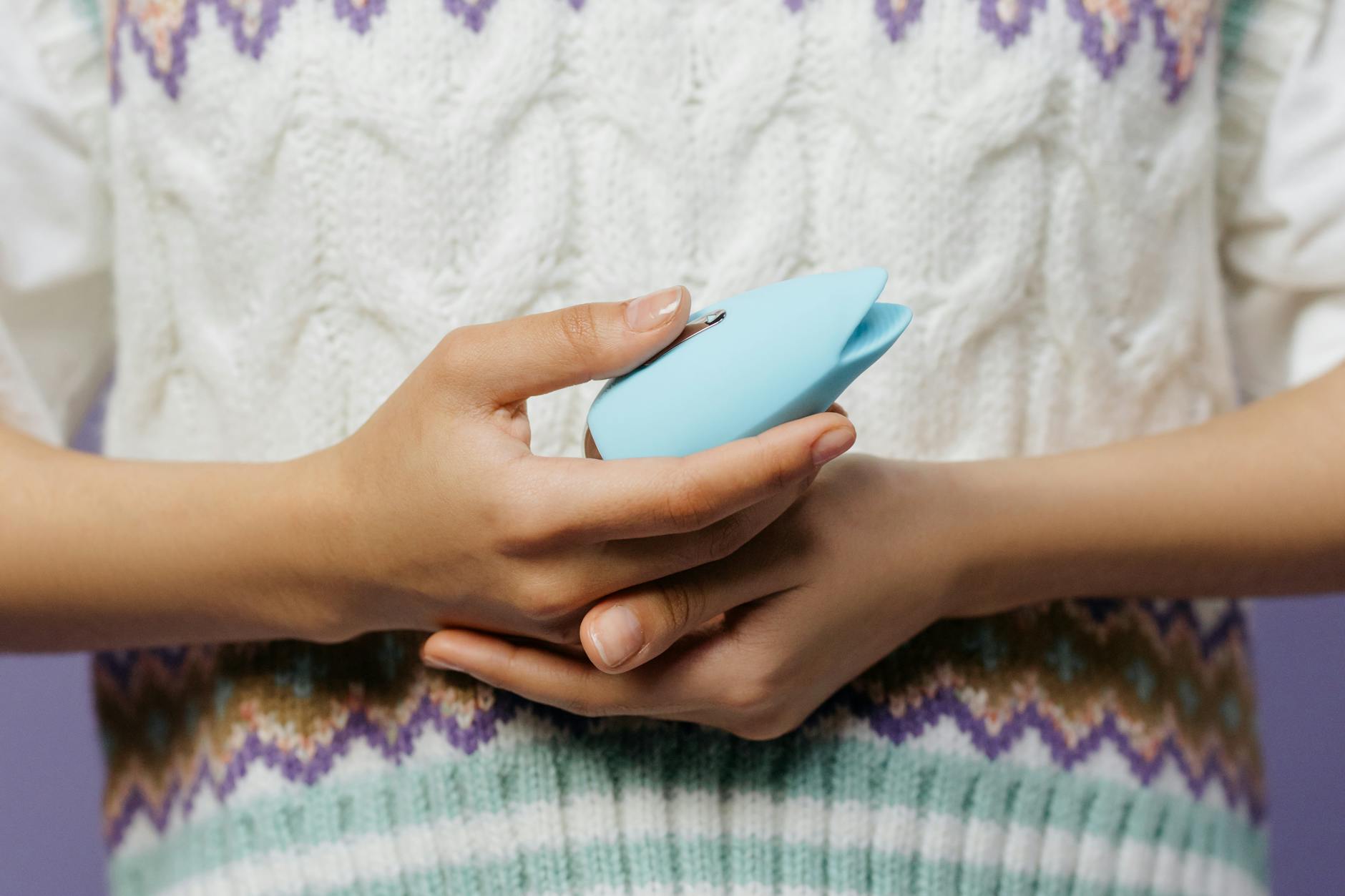
Here's what no one tells you about desire when you're struggling
Depression doesn't just make you tired. It rewires the dopamine and serotonin systems that light up pleasure in the first place. Trauma does something different but equally real. it puts your nervous system on high alert, so even the idea of touch can feel like a threat. When either one is happening, low libido isn't a character flaw or a relationship problem. It's a symptom. And like most symptoms, it responds better to understanding than to shame.
I work with clients navigating this all the time. The good news? Desire isn't gone. It's just muted, distant, protected. A lemon vibrator can help bridge that gap if you approach it the right way.
Why depression flattens desire at a neurological level
Depression is partly a pleasure problem. The neural pathways that fire during arousal rely on dopamine. When depression hits, dopamine production drops. So does motivation, which is just dopamine by another name. This means you might want to want sex, but the actual spark isn't there. You're not broken. Your brain chemistry is temporarily offline.
What's useful to know: this isn't permanent, even when it feels like it. And a lemon clitoral vibrator works particularly well during depressive episodes because it requires almost no initiation from you. You don't have to generate arousal. The toy does part of the work. That removes one layer of pressure, which alone can help.
How trauma reshapes your nervous system's response to touch
Trauma lives in the body. When you've experienced something that made touch feel unsafe, your vagus nerve stays partially activated. This means even partnered touch, let alone solo pleasure, can trigger a fight-or-flight response. Desire feels impossible because your system is in protect mode, not explore mode.
Recovery here is slower than depression treatment and more nuanced. A lemon vibrator can help, but only if it's framed as something you control completely. No pressure. No timing. No expectation of orgasm. The tool becomes a way to practice feeling safe in your own body again.
The permission piece that matters more than the toy
Here's what I see most often: people try a lemon vibrator while still carrying the belief that they shouldn't want pleasure, or that pleasure is selfish, or that they need to earn it back through suffering or time. That belief does more damage than the depression or trauma itself.
Before you touch the toy, give yourself permission to explore without a destination. Not for your partner. Not to prove anything. Just because your nervous system deserves to remember what safety and pleasure feel like together.
That's the real work. The lemon vibrator is just the tool.
Starting small when your nervous system is activated
If trauma or depression has made your body feel distant or numb, diving straight into a full clitoral vibrator session will backfire. Your nervous system will read intensity as threat.
Instead, try this:
Week one: Touch without the toy. Spend a few minutes daily just noticing sensation. Warm water on your skin. Soft fabric. Your own hand on your arm. No agenda. This is called grounding, and it teaches your nervous system that touch equals safety.
Week two: Introduce the lemon vibrator at the lowest setting. Not on the clitoris. On your inner thigh, your lower belly, the top of your pubic mound. Feel the sensation without pressure to respond. This is exploration, not performance.
Week three and beyond: Move the toy closer to the clitoris when (and only when) it feels curious, not obligatory. Stop the moment it shifts from pleasant to numb or overwhelming. Your job is to find the edge where sensation is there but not intense.
Why this approach works even when numbness is the main symptom
Depression and some trauma responses create numbness. You can feel touch but it registers as distant, muted. This is called dissociation, and it's protective in the moment but leaves you feeling cut off from your own body.
A lemon vibrator's suction mechanism works well here because it creates rhythmic stimulation that's easier for a dissociated nervous system to track than constant vibration. The rhythm anchors you back into your body. Combined with intentional breathing, it creates a feedback loop: sensation plus breath awareness plus the feeling of control, all at once.
Start with the lower intensity settings. The goal is sensation you can feel, not orgasm you can chase.
What to do if pleasure feels wrong or unsafe
Sometimes when depression or trauma is active, pleasure itself feels like a betrayal. You might feel guilty, or unsafe, or like you don't deserve it. This is real and common. Your brain is protecting you, but the protection has calcified into a belief.
If this is you, a solo lemon vibrator can actually help soften that belief. Not by forcing pleasure, but by practicing small moments of self-kindness. A few minutes of gentle sensation. No expectations. No story about what it means. Just: I'm here, this feels okay, I'm safe right now.
Repeat that enough times, and the belief shifts. Not from willpower. From evidence.
Talking to a partner when desire is low and the reason is clinical
If you're in a relationship and depression or trauma is making desire feel absent, your partner deserves clarity. Not responsibility. Clarity. You can say something like: "My brain chemistry is affecting my libido right now. I'm working with a therapist on it. I'm also exploring some tools solo that might help me reconnect to pleasure. This isn't about you or us. It's about my nervous system healing."
Then follow through. Use the lemon vibrator when you said you would. Show up for therapy. Don't make it their job to fix your desire. Make it clear that you're taking it seriously.
Many partners actually feel relief hearing this. It removes the pressure on them to be enough, to turn you on, to fix something that isn't theirs to fix.
When to pause and seek professional support
If depression is severe, if trauma is unprocessed, or if numbness is complete, a sex toy alone isn't the answer. You need a therapist who understands trauma (EMDR, somatic therapy, and Internal Family Systems are all evidence-based) or a psychiatrist who can assess medication. A lemon vibrator is an adjunct tool, not a replacement for care.
Use it alongside therapy, not instead of it. The combination works. One without the other often stalls.
The nervous system resets itself, but slowly
Desire doesn't return on a timeline. Some people reconnect to pleasure in weeks. Others take months. Both are fine. Your nervous system will heal, but only if you stop trying to force it and start practicing safety instead.
A lemon vibrator helps because it puts you in control. You choose the intensity. You choose when to stop. You choose whether to pursue orgasm or just sensation. That agency alone helps rewire a nervous system that has learned to protect rather than explore.
Start gentle. Start small. Start with permission. The pleasure comes back from there.
People also ask
Can I use a lemon vibrator if I have depression and take antidepressants?
Yes. Many antidepressants, especially SSRIs, can reduce sensation and make orgasm harder. But they also reduce the depression itself, which is why you're taking them. A lemon vibrator's focused suction can help penetrate that numbness and create sensation even when medication is dampening response. Stick with it. The combination of medication plus a better tool often works well. If numbness is severe even after several months, talk to your prescriber about adjusting your dose or switching medications. Sometimes a small change makes a big difference.
How long before I feel pleasure again if trauma is the cause?
It depends on the trauma, your nervous system's baseline sensitivity, and the quality of your support system. Some people reconnect within weeks if they're in therapy and feeling safe. Others take six months or longer. The lemon vibrator is a tool that speeds up reconnection, but it can't skip the healing. Use it as part of a bigger recovery plan, not as a shortcut. And be patient with yourself. Healing is not linear.
Is it normal to feel guilty about using a toy when depression makes you numb?
Completely normal. Depression often comes with shame and a sense that you don't deserve pleasure. That belief is depression talking, not truth. Using a lemon vibrator while you're depressed is an act of self-care and recovery. It's you saying: I'm still here, my body still matters, and I'm going to practice feeling good again. That's healthy. The guilt will fade as your nervous system gets evidence that pleasure is safe.
Should I tell my therapist I'm using a lemon vibrator?
If your therapist is trauma-informed or sex-positive, yes. They might have useful feedback about how to time it, whether it's helping, or how to integrate it into your recovery. If you're unsure of your therapist's stance, you can bring it up gently: "I'm exploring reconnecting to my body through solo pleasure. What do you think about that as part of my healing?" A good therapist will support it. A judgmental one isn't serving you.
What if the lemon vibrator makes me feel more numb or anxious?
That's a signal to pause and shift your approach. Try using it for shorter periods, at lower intensity, on areas farther from the clitoris. Or pause entirely and focus on other grounding practices first. sensation without pressure, breathing work, time in nature. You can try the vibrator again in a few weeks. There's no rush. Your nervous system is telling you it needs something different right now. Listen to it.
Can a partner help me reconnect to pleasure with a lemon vibrator if trauma or depression is involved?
Partner involvement can help, but only if you feel completely safe and in control. Some people find that partnered use helps them feel held and supported. Others find it adds pressure or triggers. Start solo. Once you've practiced feeling safe with the vibrator alone, you can explore whether partner involvement feels good. If it doesn't, that's okay. Solo reconnection is valid and often more healing in the early stages.
Moving forward
Depression and trauma reshape desire, but they don't end it. Desire goes quiet, not away. A lemon vibrator can help you hear that quiet voice again, reminding you that pleasure is still possible. Not eventually. Not after you're healed. Now. In small, manageable moments that build into bigger ones.
The key is patience with yourself. Your nervous system healed you once by protecting you. Now it can heal you again by learning to feel safe enough to explore. A tool helps. Professional support helps more. And permission to take your time helps most of all.
If you're ready to reconnect to your body but unsure where to start, get in touch. We can talk through what approach might work best for your specific situation.