Here's the thing about orgasm pressure
You know that feeling when someone's waiting for you to finish? When sex becomes about hitting a deadline instead of feeling good? That's orgasm pressure, and it's one of the fastest ways to kill pleasure entirely.
The irony is brutal: the harder you try to come, the less likely your body will cooperate. Your nervous system reads the pressure as a threat. Your pelvic floor tightens. Blood flow redirects away from where you need it. What should feel amazing starts feeling like a performance you're failing at.
Why the pressure exists (and it's not your fault)
Partners often tie their own worth to whether they can make you orgasm. Movies and porn treat female orgasm like a trophy. You might have internalized the message that coming quickly or loudly proves you're turned on, that you're having a good time, that you're satisfied. None of that is true, but the pressure lingers anyway.
Here's what happens clinically: When you're focused on reaching orgasm rather than noticing sensation, your brain literally can't process the physical stimulation the way it needs to. You're in your head monitoring performance instead of dropping into your body. That split attention? It's the entire problem.
How pressure rewires what turns you on
After months or years of sex feeling like an obligation, your body starts predicting disappointment. You approach sex braced for that familiar pressure instead of open to pleasure. Your arousal response flattens. Touch that once felt electric now feels obligatory. You might find yourself faking orgasms just to make sex end, which deepens the pattern.
Some people stop wanting sex altogether. Others say they feel numb during it. A few describe a disconnect where their mind is racing through a grocery list while their body goes through the motions. None of these are signs you're broken. They're signs your nervous system is protecting you from an environment that feels unsafe.
Why a lemon vibrator changes the equation
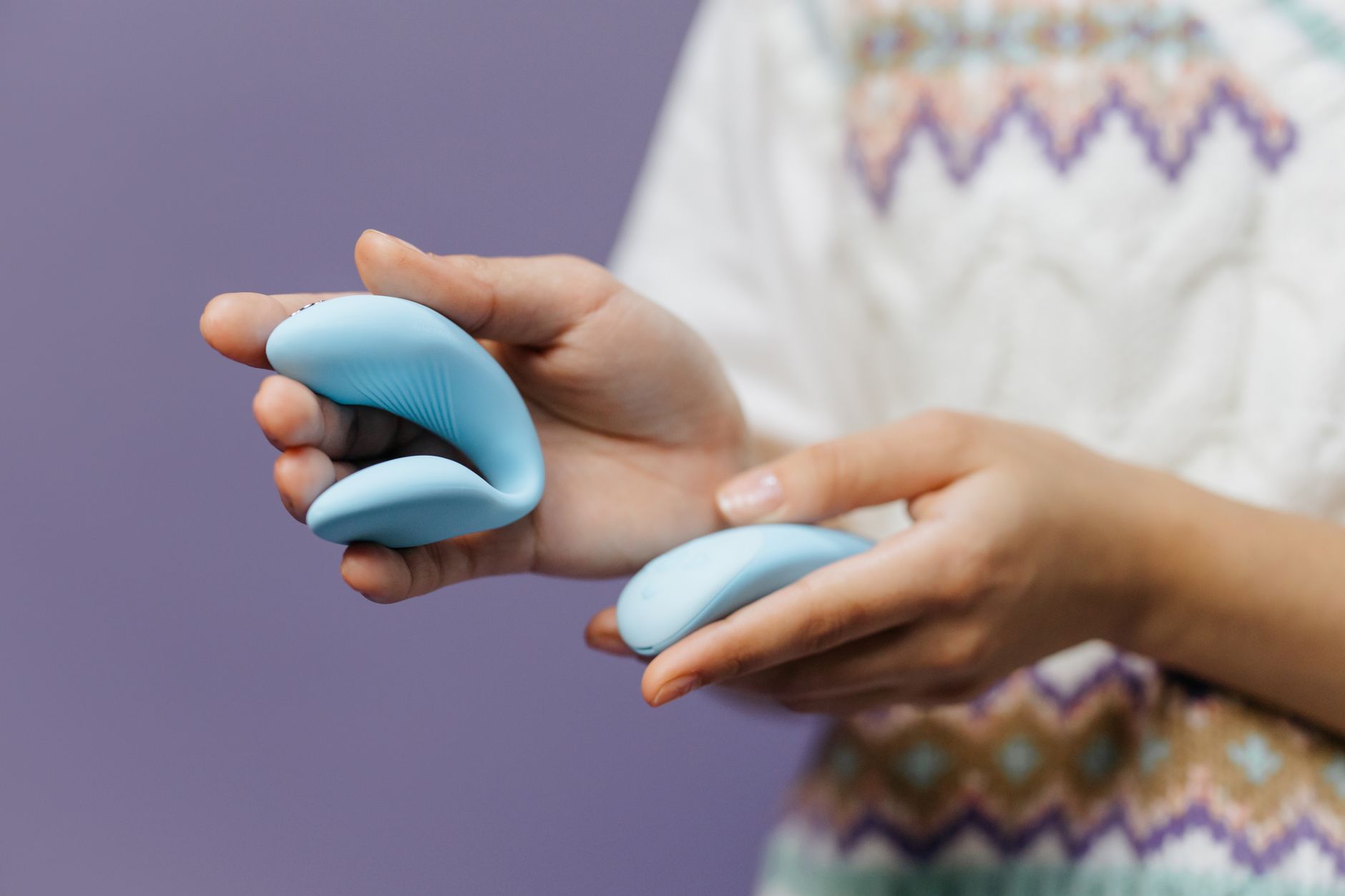
A clitoral vibrator like the Lemon puts YOU in control. Not your partner, not some imagined timeline. You.
When you're holding the vibrator, you decide the pace, the pressure, the angle, and when to stop. Your partner isn't watching the clock. They're not wondering if you're close. The entire dynamic shifts from "make her come" to "let's explore what she likes."
The second shift is physiological: Air-suction technology (which lemon sexual toys use) stimulates a much broader area of the clitoris than traditional vibration alone. That means more sensation, less effort, and faster arousal without the grinding intensity that sometimes compounds anxiety.
Third: When you're responsible for your own pleasure, you stop viewing your orgasm as something you owe someone. It becomes something you're curious about. That curiosity is what unlocks genuine desire.
How to introduce this without awkwardness
If you're partnered, the conversation doesn't have to be heavy. Try something like: "I've noticed sex feels a bit performative lately. I want to experiment with something that might help me relax. Are you open to that?"
That's honest without making your partner feel blamed. Most people who care about you will be relieved. They don't want you faking it either.
Start with the vibrator solo first, away from the pressure of partnered sex. Spend time learning what actually feels good without any goal. No orgasm target. Just sensation. This might take 3-5 sessions, and that's normal. Your nervous system needs to believe that pleasure without performance is actually possible.
Once you've reconnected with what turns you on, bring it into partnered sex. That might mean using it while your partner touches you elsewhere. It might mean using it while you're together but not during intercourse itself. There's no script. The point is reclaiming your pleasure as yours.
What changes when you're not performing
Without the pressure to orgasm, something wild happens: you actually start to want sex more. Desire returns when it doesn't feel mandatory.
You might notice arousal building faster. You might discover you like being touched in ways you didn't realize before. You might find that sometimes you come easily and sometimes you don't, and either way it's fine because the goal was never the finish line. It was the experience.
Many people report that their most satisfying sexual experiences happen after they've stopped trying so hard to prove something. The pressure was the cage. Removing it was the key.
The clitoral vibrator as a communication tool
Using a lemon clitoral vibrator together also teaches your partner what actually works for your body. They can watch the patterns. They can feel the difference between a pace that makes you tense and one that makes you relax. That information is gold for rebuilding sex that feels good for both of you.
This isn't about replacing your partner. It's about showing them what you need. Some partners find this incredibly hot. Others are relieved to have concrete guidance instead of guessing. Either way, it's a conversation your bodies are having instead of a performance you're both pretending to enjoy.
When to move slower than you think
One mistake: rushing to partnered sex with the vibrator because you feel pressure to. That defeats the purpose.
Budget at least a week of solo exploration before bringing it into partnered sessions. Let your nervous system fully absorb the idea that pleasure without performance is safe. Then, when you do introduce it with your partner, start with low intensity. You're not trying to set a personal record. You're rebuilding trust in your own body.
If you notice yourself tightening up or feeling watched, pause. That's information. Your nervous system is saying the environment still feels a bit unsafe. Slow down, communicate, and adjust. This isn't about pushing through discomfort. It's about creating conditions where genuine pleasure can return.
The shift that actually matters
The real change isn't mechanical. It's psychological. You're moving from "my body isn't cooperating" to "my body was responding exactly as it should when I was under pressure." That's a totally different story. One where you're not broken. One where your nervous system was doing its job protecting you.
When you remove the pressure, your body remembers how to respond. A lemon vibrator makes that remembering faster and more reliable because it puts the control where it belongs: with you.
Frequently asked questions
Can using a vibrator make partnered sex feel incomplete?
Not if you frame it differently. Many people find that once they've used a clitoral vibrator to break the orgasm pressure cycle, partnered sex becomes more enjoyable because it's no longer about hitting a target. The vibrator isn't a replacement. It's a reset button that helps you remember what pleasure actually feels like without performance anxiety.
What if my partner feels threatened by me using a vibrator?
That's worth exploring. If your partner feels insecure when you have pleasure that doesn't center them, that's a relationship dynamic worth addressing, ideally with a couples counselor. Your pleasure isn't a threat to their worth. Sometimes that conversation needs a neutral third party to land properly. In the meantime, frame it as something that helps you both: clearer communication about what works, less faking, more genuine connection.
How long before I notice a difference in how sex feels?
Most people report noticeable shifts within 2-3 weeks of consistent solo exploration. Your nervous system needs time to learn that pleasure is safe again. Some people feel it within days. Others take longer. The point isn't speed. It's consistency and removing judgment about your timeline.
Is it normal to feel guilty about prioritizing my own pleasure?
Absolutely normal, and it's worth examining. If you've spent years apologizing for not orgasming on someone else's timeline, reclaiming that as your own can feel selfish. It's not. Your pleasure matters. Not as a performance metric, but as part of being human. That guilt often fades once your partner realizes that you having actual desire is better for both of you than you faking it.
Can I use a lemon vibrator if I'm on antidepressants or other medications that affect arousal?
Yes. In fact, many people find that a tool designed for clitoral stimulation helps bypass some of the arousal delays caused by SSRIs or other medications. That said, if medication is significantly dampening your desire, that's worth discussing with your prescriber. Sometimes a dosage adjustment or timing change helps. The vibrator works best when it's part of a comprehensive approach.
What if I've never orgasmed with a partner, only alone?
That's more common than you'd think. The pressure to orgasm during partnered sex often creates exactly this pattern. A clitoral vibrator used together can help bridge that gap because it removes the performance component. You're showing your partner what your body needs while they're present, which is different from the pressure of "make me come during sex." Some people find this reconnection happens quickly. Others take months. Both are fine.
The pleasure you deserve doesn't come with conditions
Orgasm pressure is real, and it's a relationship problem disguised as a physical one. Using a lemon clitoral vibrator addresses both at once: it gives your nervous system permission to relax, and it gives you a way to show your partner what actually works for your body.
The goal isn't to become a champion at orgasming. The goal is to get back to a place where sex feels like something you want, not something you're obligated to perform. Everything else follows from there.
If you're ready to explore tools designed specifically for clitoral pleasure without the pressure, reach out to our team. We're here to help you rebuild the sex life you actually deserve.