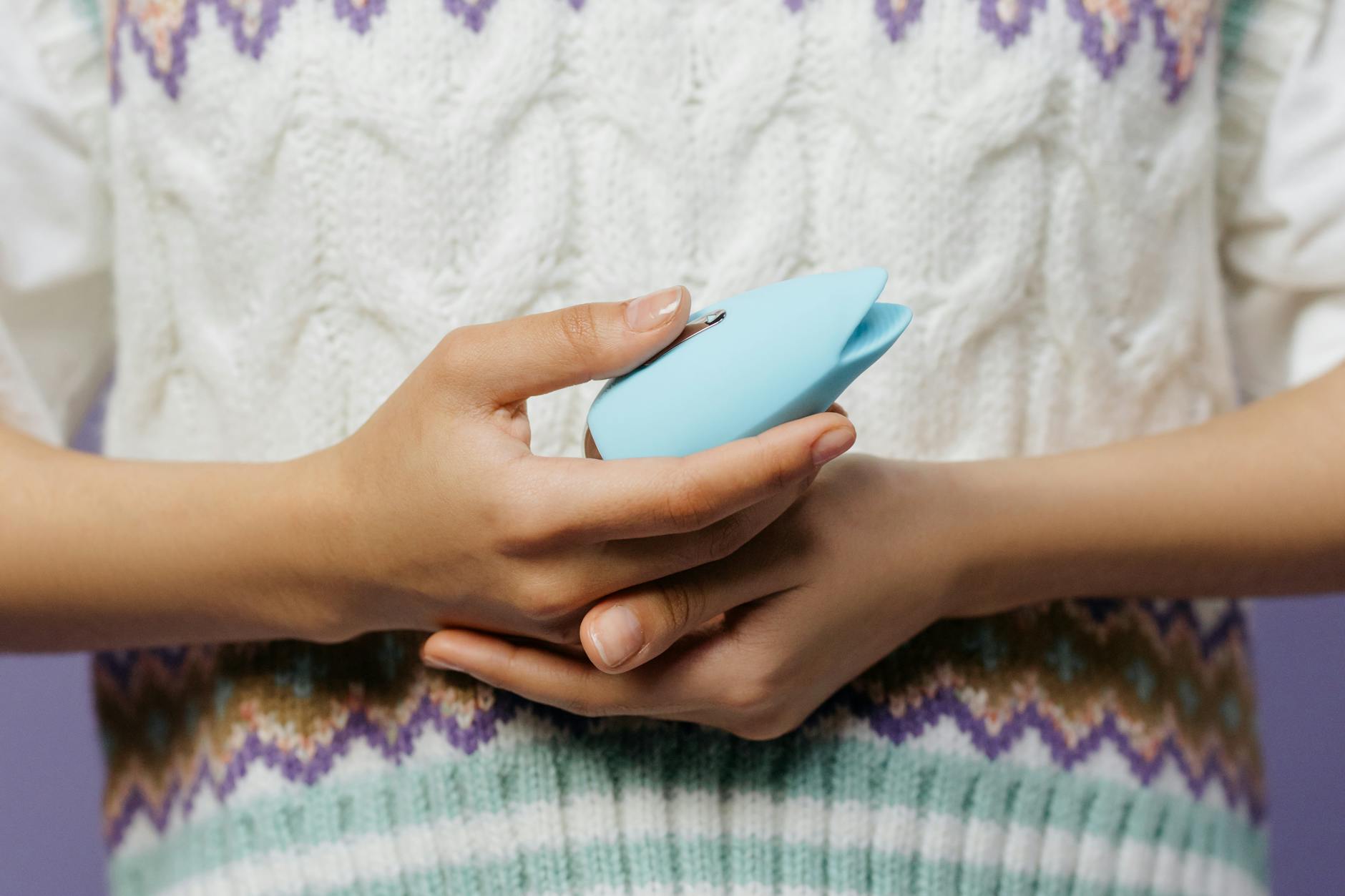
Let's start with the obvious thing nobody says out loud
Postpartum bodies are not the same bodies that gave birth. They're stronger in some ways, tender in others, and genuinely unpredictable for months or even years. If pleasure feels different, muted, or honestly kind of alien right now, you're not broken. You're healing. And healing changes everything about how sensation works.
Here's what I see in my practice all the time: people assume postpartum numbness or pain is permanent, so they stop trying. Then one day, usually by accident, something feels good again. But that reconnection doesn't happen by accident. It happens because someone gave themselves permission to explore slowly, with the right tools, and without the guilt that comes with thinking you should already be "back to normal."
What childbirth actually does to sensation
Depending on how you gave birth, tissue changes in predictable ways. Vaginal delivery stretches tissue, sometimes tears it (episiotomy or naturally), and damages nerve endings in the process. Those nerves regenerate, but not on anyone's timeline. Cesarean delivery skips the vaginal trauma but creates scar tissue internally and externally that can affect sensation and arousal for years.
Both scenarios also mean hormonal disruption. Oxytocin spikes during labor and birth, then plummets. Prolactin shoots up if you're breastfeeding, which actively suppresses estrogen and testosterone. Lower estrogen means thinner vaginal tissue, less natural lubrication, and reduced blood flow to the clitoris. That's not a personal failure. That's what lactation does to the nervous system.
Added to this: the pelvic floor becomes either hypertonic (too tight, guarded, holding tension) or hypotonic (too loose, lacking support). Most commonly after childbirth, it's hypertonic. Your pelvic floor learned to tense up during labor and never fully let go. That tension directly blocks arousal and orgasm.
The clitoris itself is still there. The nerve pathways are still there. But the signal is muffled by swelling, scar tissue, pelvic floor tension, and hormonal suppression. Numbness isn't sensation disappearing. It's sensation being dampened by a layer of protective mechanism.
When it's actually safe to reconnect
Honestly? This depends on your specific healing. Most medical guidance says wait six weeks postpartum before sex. That's the minimum for avoiding infection. But sensation work, especially solo, can start earlier if you're not bleeding and your C-section wound (if applicable) is closed.
I usually recommend waiting until at least eight weeks, and longer if you had significant tearing or are breastfeeding. The reason isn't infection. It's that your nervous system needs time to settle down. For the first two months, your body is in genuine trauma recovery mode. Adding intense stimulation can feel dysregulating rather than pleasurable.
If you're three months or more postpartum and cleared by your doctor, you're in the window where exploration becomes valuable. If you're six months or a year postpartum and haven't felt much yet, that's the moment to try something different.
How a lemon vibrator helps specifically
Three reasons lemon clitoral vibrators work better than other toys during postpartum recovery.
First: suction doesn't require direct pressure. After birth, direct touching can feel overwhelming, raw, or even painful because nerve endings are still reorganizing. Suction stimulates tissue without the friction that can feel too intense. You get stimulation without that grinding sensation that might remind your body of trauma.
Second: you control the intensity from the first touch. The Lem vibrator starts at pattern 1, which is genuinely gentle. You're not accidentally triggering a pelvic floor clench with sudden intensity. You're building arousal slowly, which is exactly what a postpartum nervous system needs to learn pleasure again.
Third: sensation is diffuse, not concentrated. The suction spreads stimulation across a wider area of tissue rather than focusing it on one hypersensitive spot. For people with scar tissue or uneven nerve regeneration, that diffused approach often feels more manageable than pinpoint vibration.
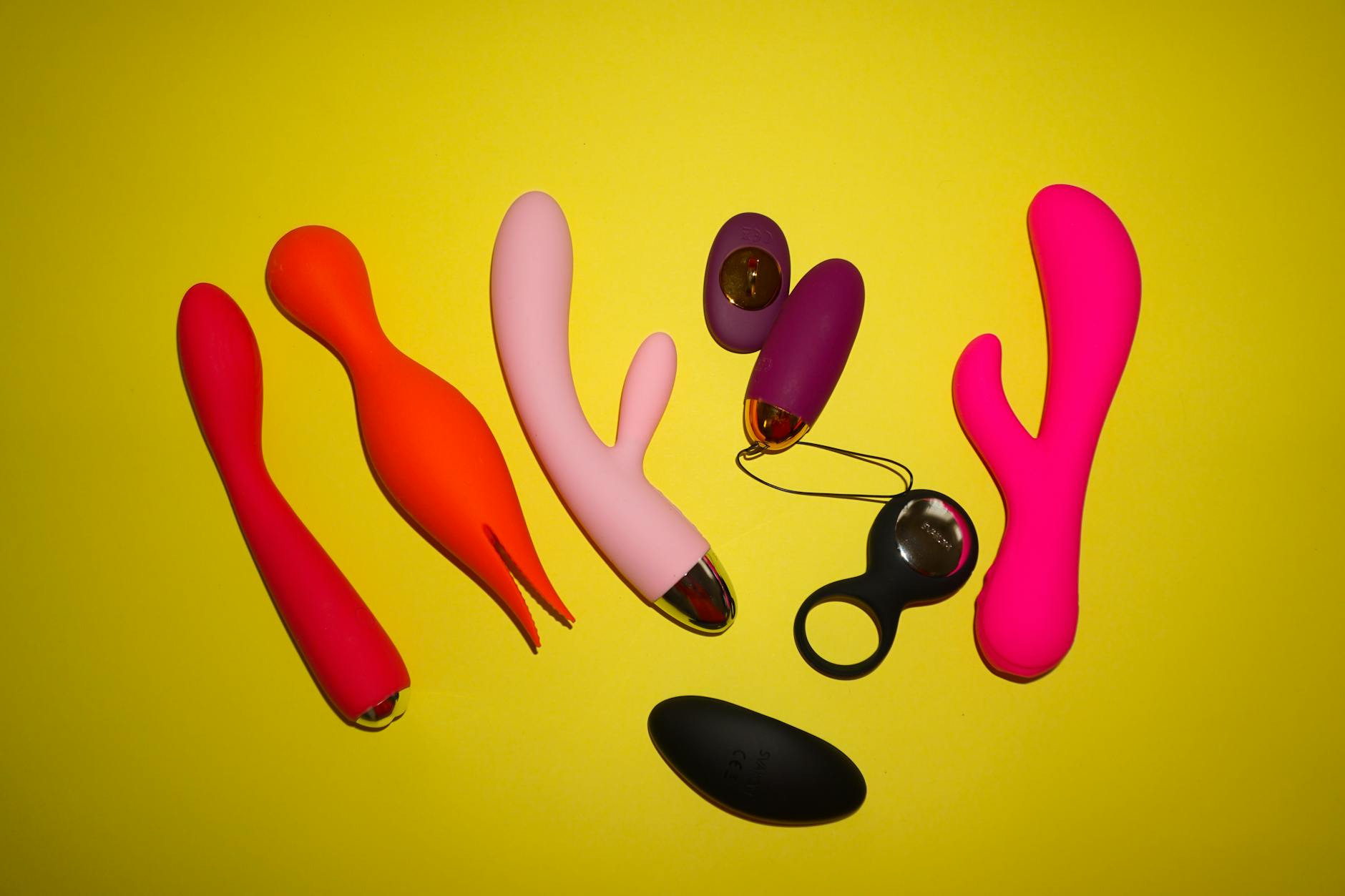
Photo by FounderTips on Pexels
The actual protocol that works
Here's how I coach people through this:
Week one to two: observation. Use the Lem on the lowest setting, just outside the clitoris. Not touching it. Notice what sensation you feel, what your pelvic floor does (does it clench? relax?), whether numbness is consistent or patchy. Don't aim for pleasure. Aim for information. Five minutes max. Once a day or every other day.
Week three to four: gentle contact. Move to the lowest settings and make direct contact with the clitoris for 30 seconds at a time, rest for 30 seconds, repeat. Your goal is to see what happens. Does sensation return? Does the pelvic floor stay relaxed? Again, five to ten minutes total.
Week five onward: building arousal. Now you can move into pattern 2, try slightly longer sessions, and experiment with what feels good versus what feels like pressure. This is when most people start noticing "oh, something's waking up." That's your nervous system learning that pleasure is safe again.
The entire process might take two months or six months. The pace matters more than the timeline.
The emotional part that changes everything
Postpartum recovery isn't just physical. Your body has just been used for something other than pleasure. You've been touched, examined, possibly injured, and then spent weeks or months in a survival mode of keeping a tiny human alive. The idea of pleasure can feel foreign or even selfish.
I work with people on separating two conversations here: "What does my body need to heal?" and "What do I deserve for myself?" Those aren't the same thing. Healing is practical. Pleasure is permission.
With a partner, this matters even more. Your partner might be scared of hurting you. You might be scared of not feeling anything. Neither of those fears goes away by ignoring it. The most valuable thing you can do is name it: "I'm exploring what pleasure feels like now. It might be different. That doesn't mean it's bad."
When to get help
If pain persists beyond three months postpartum, or if sensation remains completely numb at six months, talk to a pelvic floor physical therapist. This isn't about "fixing" yourself. It's about getting expert hands on the tissue to understand what's happening. Scar tissue sometimes needs hands-on release. Pelvic floor tension sometimes needs specific exercise to unlearn the guarding pattern.
If you're breastfeeding and pleasure feels impossible because hormones have genuinely shut everything down, that's worth discussing with your doctor or a lactation consultant. Sometimes dropping one feed or introducing a bottle helps estrogen return faster. Sometimes it doesn't. But knowing the option exists matters.
If shame or anxiety around your postpartum body is blocking reconnection, that's therapy territory. I'm a relationship coach, not a trauma therapist, but I know when someone needs both. Finding a postpartum-informed therapist isn't a sign something's wrong with you. It's smart.
The thing about postpartum pleasure people get wrong
Everyone thinks recovery means getting back to how it was. You won't. Your body has changed. Your nervous system has changed. Your relationship to your own body might have changed. That's not a setback. That's just... what happened.
The good news? Many people report that pleasure after postpartum recovery is actually richer than before. You know your body better. You're less inclined to skip your own needs. You've lived through something genuinely hard and come out the other side. That builds a different kind of confidence.
Your postpartum body deserves care, time, and tools that meet it where it actually is. A lemon vibrator works well for postpartum sensation because it's gentle enough for raw tissue and smart enough to let you control everything. You're not "getting back to normal." You're discovering what normal looks like now.
People Also Ask
How long after giving birth can I use a vibrator safely?
Most medical guidance recommends waiting six weeks to avoid infection. But if you've been cleared by your doctor, sensation work can start before that. I usually recommend eight weeks minimum to give your nervous system time to settle. Start with gentle exploration on the lowest settings, not with full sexual stimulation.
Why does everything feel numb postpartum?
Nerve damage from stretching or tearing, scar tissue formation, and hormonal suppression (especially if breastfeeding) all dampen sensation. Pelvic floor tension also blocks arousal. Numbness is your nervous system protecting itself, not permanent damage. Sensation typically returns over months or years as tissue heals and hormones stabilize.
Can I use a Lem vibrator if I had a C-section?
Yes. A C-section doesn't involve vaginal tissue, so healing is different. But internal scar tissue and pelvic floor tension can still affect sensation. The Lem's gentle suction approach works well because it doesn't require pressure on potentially sensitive tissue. Wait until you're cleared by your doctor and the external wound is fully closed.
Will my sensation ever come back completely?
Most people report that sensation does return, though it may feel different than before. The timeline varies wildly: some notice improvement by three months postpartum, others take a year or longer. Hormonal shifts (especially if breastfeeding) suppress sensation, so weaning often brings a noticeable shift. If numbness persists beyond six months, a pelvic floor physical therapist can help identify what's actually happening.
Is it normal to feel pain with a vibrator postpartum?
Some discomfort is normal early on because tissue is tender. Sharp pain, burning, or intense soreness isn't. Stop, rest, and check with your doctor. Some postpartum people develop pelvic floor dysfunction that makes penetration or stimulation painful. That's treatable with physical therapy. Others have scar tissue sensitivity. Neither means you're broken, but both mean you need professional evaluation.
How do I know if it's safe to have sex with a partner postpartum?
Medical clearance is the baseline (usually six weeks), but emotional readiness matters more. Your body might be healed before your nervous system feels safe. Your partner might be nervous about hurting you. Start with communication first, external touch second, and internal stimulation only when both of you feel genuinely ready. There's no timeline for this beyond your own agreement.