Let's name the real problem first
Honestly, when a partner finishes early and you're left hanging, it's not really about the timing. It's about being left out of the narrative. You feel like a supporting character in someone else's story instead of a protagonist in your own. That wound runs deeper than physiology.
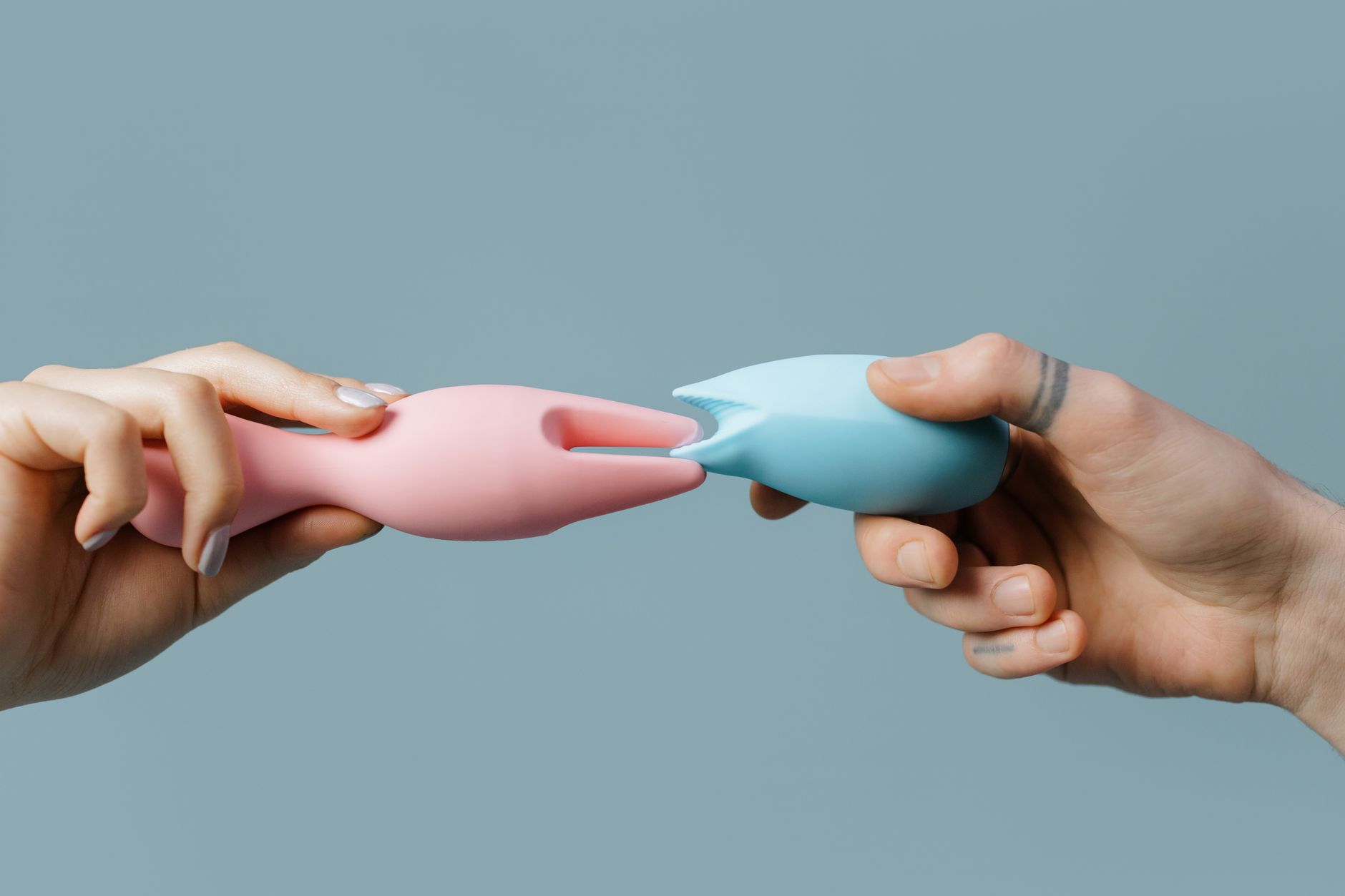
Here's the thing: lemon sexual toys like a lemon clitoral vibrator shift the entire frame. Instead of "my partner is too fast," it becomes "we both get to finish." That's not a small difference. That's the difference between resentment and actual satisfaction.
Why lemon clitoral vibrators change the math
Most people with vulvas need 15-30 minutes of stimulation to orgasm reliably. Most partners with penises need 3-10 minutes. That's not a flaw in either person. It's just biology. And for decades, couples have been asked to solve this gap through willpower, Kegel exercises, or antidepressants. None of those fix the core issue: the timing mismatch itself.
A lemon vibrator solves it directly. It doesn't require your partner to stay aroused or hard. It doesn't require you to rush. It lets both of you finish, often together, without anyone pretending or performing.
The studies back this up. Couples who introduce external vibration during partnered sex report higher satisfaction rates and fewer conflicts about sexual frequency. That's not because vibrators are magical. It's because they remove the false choice between "your pleasure" and "my pleasure."
The setup that actually works
Start this conversation outside the bedroom. Seriously. Not during sex, not with clothes off, not when desire is already rising. Sit down, make tea, and say something like: "I love being with you. I've noticed the timing is tricky for both of us, and I want us both to feel good. I've been thinking about trying a lemon vibrator together. What do you think?"
That's it. No apologies, no framing it as his failure. Just a practical observation and a solution.
When you're ready to use it:
Keep the penetration separate from the vibration. This is key. If your partner enters you first and then you add the vibrator, he's often already close to finishing. Instead, start with the lemon clitoral vibrator first. Let yourself build arousal and get close to your own orgasm. Then he can enter. This way, you're both at similar arousal levels and the whole experience is more synchronized.
Use a rhythm that works for both of you. The lemon vibrator has multiple intensity levels for a reason. Start low and build together. If your partner is getting close, he can pause. There's no race. You're building pleasure as a team now, not competing against the clock.
Let him hold it sometimes. This is surprisingly powerful for couples. When a partner holds the lemon vibrator for you, it changes the dynamic from "I'm using this because you can't satisfy me" to "we're exploring this together." And honestly, most partners find it incredibly hot. You're not replacing him. You're adding to what he's doing.
What to do if he finishes anyway
Sometimes, even with a lemon clitoral vibrator in the picture, your partner will orgasm first. That's okay. Here's what happens next:
Don't stop. Keep going. Use the vibrator to get yourself to orgasm while he's still there, recovering or just being present. This is where the real power shift happens. Instead of him finishing and you being left alone, he gets to witness your pleasure. He gets to participate in your orgasm even if his penis isn't involved anymore. That's actually more intimate than a lot of traditional sex is.
Many couples find this is when they talk, laugh, or feel most connected. The pressure is off. The performance is over. You're both just being present.
The confidence piece (which matters more than the vibrator)
One of the biggest shifts I see when couples start using a lemon vibrator together is a change in how they talk about sex. Instead of "you're too fast" (blame) it becomes "let's use the vibrator together" (collaboration). That language shift changes everything.
Your partner might worry the vibrator means he's not enough. He probably won't say this out loud, but he might feel it. So tell him directly: "You're not being replaced. Your body is just one part of this, and I want to add more pleasure for both of us." Most partners, when they understand that the vibrator is extending their pleasure too and taking pressure off them, become enthusiasts pretty quickly.
If he resists, that's worth taking seriously. Not because he's wrong, but because there's probably something deeper. Does he feel insecure about his body? Does he worry about not being able to satisfy you? Does he have shame around sex toys? Those conversations need to happen separately from the vibrator itself.
Timing, positioning, and what works in practice
Three practical setups I see work most often:
During foreplay. Use the lemon clitoral vibrator before anything else. Get your own arousal going, get close to orgasm if you can, then he enters. You're already at peak arousal when he's at beginner arousal. Much more balanced.
During penetration. He enters, then you or he applies the vibrator to your clitoris while he's inside. The vibration against his body often feels amazing for him too, and it speeds up your orgasm so you're finishing closer together.
After he finishes. You keep going with the vibrator while he watches, touches you, or talks to you. Your orgasm is still shared even though his body isn't moving inside you anymore.
Whichever you choose, use lubricant. Always. Especially if you're adding vibration to penetration. It reduces friction, feels better, and lets everything move more smoothly.
When to get outside help
If your partner genuinely can't last more than a minute or two, and he's anxious about it, that's worth a conversation with a doctor or a sex therapist. Sometimes there are medical or psychological factors that a vibrator alone won't fix. But here's the good news: even if there is something to address medically, the lemon vibrator doesn't go away. You're not choosing between treatment and pleasure. You're adding pleasure while he gets support.
If the issue is emotional (deep shame, performance anxiety, or relationship resentment), that's therapy territory, not vibrator territory. The vibrator can buy you both time and pleasure while you work on the real stuff.
The bigger picture
What I've learned after years of coaching couples is that sexual mismatch almost never stays sexual. It bleeds into how you feel about each other, how often you touch, whether you feel desired. A lemon vibrator can't fix a broken relationship, but it can stop a fixable mismatch from turning into a broken relationship.
The couples who use this strategy well report something unexpected: they start having more sex, not less. Because sex doesn't feel like a performance anymore. It feels like something you're both investing in. That changes everything.
People Also Ask
Does using a lemon vibrator mean my partner isn't satisfying me?
No. A lemon vibrator is like adding salt to a meal your partner cooked. The meal is still good. The salt just makes it better. Most partners, once they understand this, feel relieved. They don't have to be everything. They just have to be willing to explore with you.
Will my partner feel emasculated if I use a lemon vibrator during sex?
Some partners worry about this, but most won't if you frame it clearly. Tell him: "I want to enjoy you more, not less." And mean it. If he's still uncomfortable, that's worth exploring separately from the vibrator. Often it's about insecurity or shame around sex in general, not about the vibrator itself.
How do I bring up using a lemon clitoral vibrator without making it awkward?
Outside the bedroom, in a calm moment. "I've been thinking about how we could both enjoy sex more. I'd like to try a lemon vibrator together. What do you think?" That's honest, collaborative, and doesn't blame anyone. Most partners will appreciate the openness.
Can we use a lemon vibrator every time, or is it okay to skip sometimes?
Use it when it feels good, skip it when it doesn't. Sex isn't a checklist. Sometimes you'll want a vibrator, sometimes you won't. Sometimes you'll want the simplicity of just being together. Both are valid. The vibrator is a tool, not a requirement.
What if we start using a lemon vibrator and it actually makes sex worse?
Then stop. Talk about what felt off. Was it the vibrator itself? The dynamic? The timing? Sometimes a different style of toy works better. Sometimes the real issue was communication, not hardware. Try once or twice, and if it's not working, move on.
How do lemon vibrators compare to other clitoral vibrators for couples?
Lemon vibrators, especially models like the lemon clitoral vibrator or lem vibrator, are designed with couples in mind. They're quieter, the intensity is easier to control, and the shape works during partnered penetration without getting in the way. Some other clitoral vibrators are bulkier or more intense, which can feel disconnecting during sex. The best lemon sexual toys are the ones both of you can enjoy.
What comes next
Introducing any new element to partnered sex takes communication, curiosity, and patience. A lemon vibrator isn't a fix for a broken relationship. But for couples with a timing mismatch who genuinely like each other, it's often the difference between "sex feels like a failure" and "sex feels like something we both look forward to."
If you're ready to explore this, start the conversation. If you want support thinking through relationship dynamics around sex, that's what I'm here for. You can reach out anytime.
Your pleasure matters. His pleasure matters. And you don't have to choose between them.