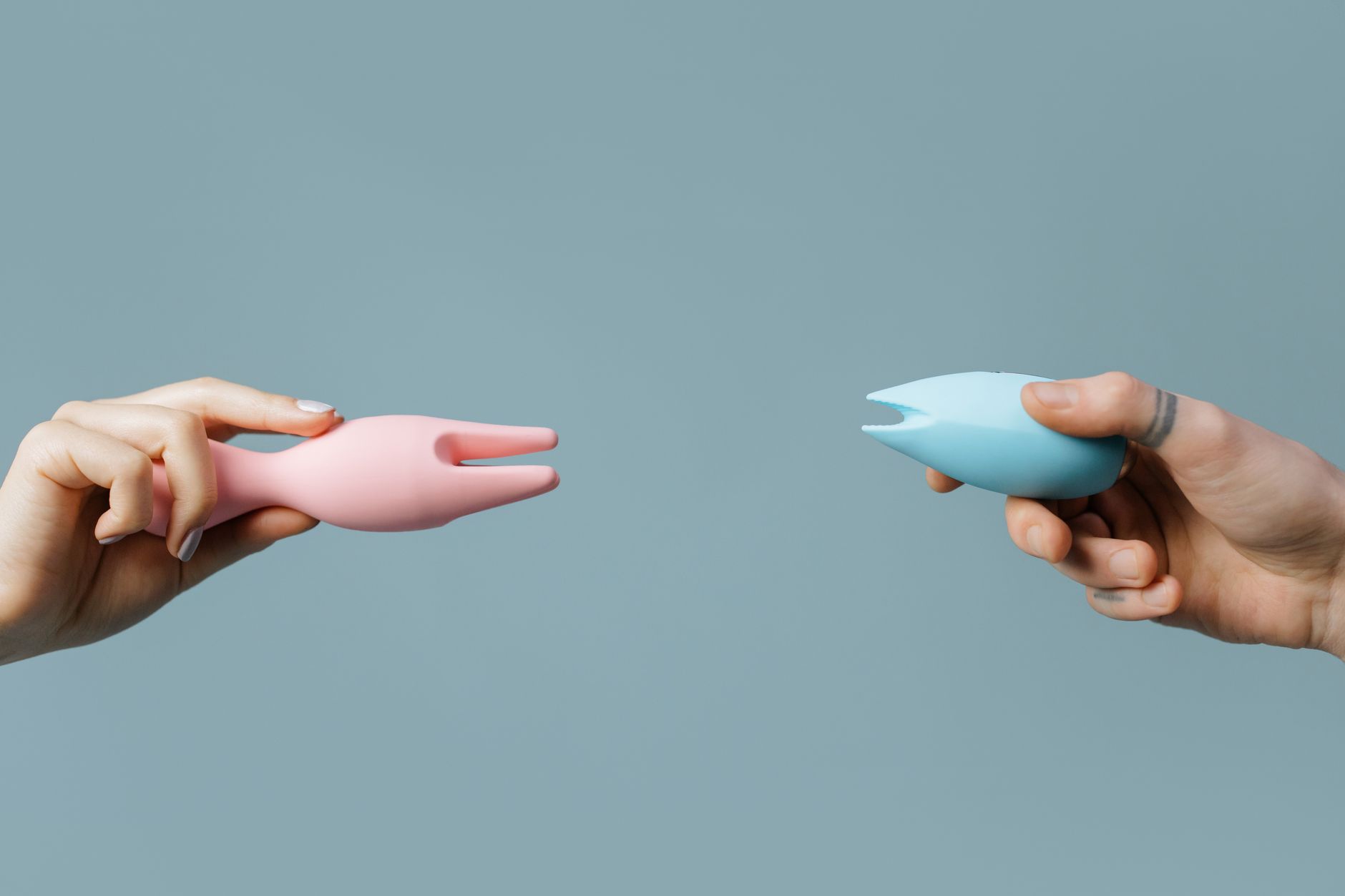
Let's talk about what actually changes
Here's the thing nobody explains clearly. Aging isn't a switch that turns pleasure off. It's a recalibration. Your body produces less natural lubrication as estrogen levels shift. Your arousal might take longer to build. Clitoral tissue becomes more sensitive to friction. But here's what's also true: your nervous system is more efficient. Your brain knows what it wants. You've spent decades learning your own body.
That mismatch between what you know and what your body is doing right now is solvable. And suction-based clitoral vibrators like lemon vibrators work differently than traditional vibration, which makes them particularly good at bridging this gap.
Why lubrication decreases with age
Estrogen is partly responsible for vaginal moisture. When estrogen levels drop—whether that's through natural aging, surgical menopause, or certain medications—the tissues that produce lubrication don't work as efficiently. This isn't failure. It's chemistry. Your body is still capable of arousal and orgasm. It just needs slightly different conditions to get there.
The clitoris itself doesn't age the way other tissues do. Clitoral nerve density remains stable throughout your life. The sensitivity is there. The capacity for orgasm is there. What changes is the pathway—the warm-up time, the type of stimulation that feels best, and yes, the need for external moisture.
Why friction becomes a problem
Younger tissue is thicker and more elastic. It can handle direct, high-friction stimulation without discomfort. As estrogen decreases, your clitoral tissue becomes thinner and more delicate. Direct vibration at high intensities can feel sharp, almost uncomfortable, instead of pleasurable. This is where traditional vibrators run into real problems.
Lemon vibrators use suction and gentle pulsing instead of rapid vibration. That distinction matters wildly. Suction stimulates the clitoris without the same mechanical pressure. It draws blood into the tissue, which actually increases natural sensitivity and arousal. For aging bodies with changing lubrication, this is often more comfortable and more effective than buzzing.
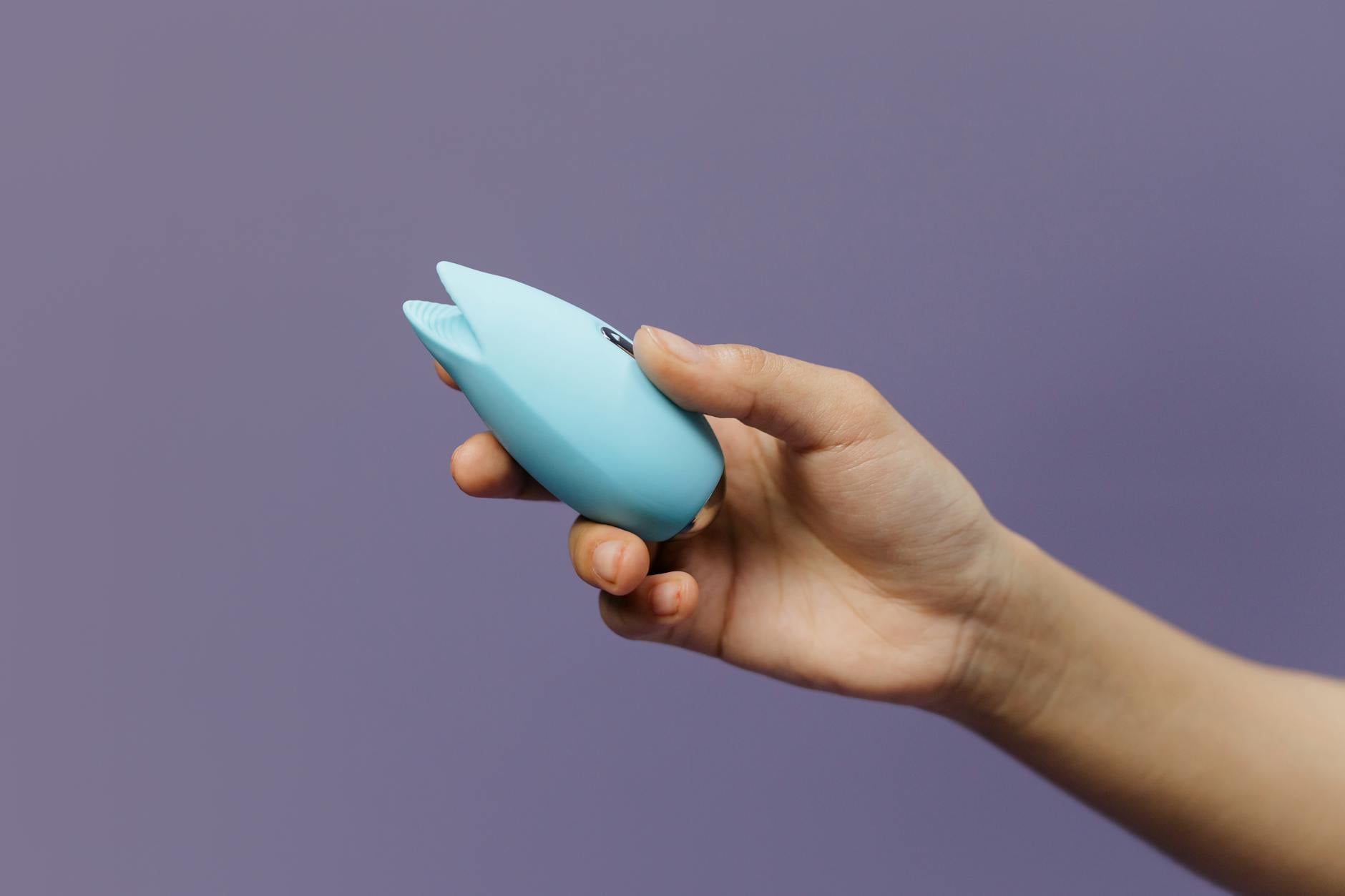
Photo by cottonbro studio on Pexels
The lubrication conversation (internal vs. external)
Let's separate two things that usually get jumbled together. Natural lubrication is about your body's internal response. External lubrication is what you add. Both matter. Neither means you're broken.
If you're experiencing less natural lubrication, that's a signal to start using external lubricant consistently. Not occasionally. Not "just in case." As part of your baseline. A good water-based lubricant reduces friction, makes sensation clearer (not muddier, like people assume), and lets you focus on what's actually pleasurable instead of managing discomfort.
But here's the detail that changes how lemon vibrators work: with suction-based stimulation, you need less external lubricant than with traditional vibration. Suction actually facilitates your body's own blood flow and moisture response. Many of my clients find that after a few minutes of suction, their body catches up. The external lubricant becomes a starting point, not a permanent fixture.
How to set up your environment for success
Three practical changes transform the experience:
Start with high-quality lubricant. Silicone-based lubes feel richer and last longer, but they can degrade silicone toys (most lemon vibrators are silicone). Water-based lubricant works perfectly with lemon sexual toys and rehydrating lubricants designed for aging bodies actually improve your body's own moisture production over time with consistent use.
Build in extended warm-up time. Arousal takes longer as you age. That's not a problem—it's an opportunity. Give yourself 20 to 30 minutes before introducing the lemon vibrator. Touch yourself. Read something that excites you. Let your brain and body sync up. When you finally use the vibrator, you'll be surprised how quickly sensation builds.
Use lower intensity first. Lemon vibrators and similar clitoral vibrators typically have multiple intensity levels. Start at pattern 1 or 2. Let your body acclimate. You can always increase. Once you jump to high intensity, backing down feels frustrating. Patience at the start pays off.
The arousal-lubrication loop and how suction helps
Here's the physiological part that's genuinely useful. Arousal and lubrication don't happen in isolation. Clitoral blood flow triggers lubrication. So when you use a lemon vibrator's suction, you're not just creating pleasure—you're triggering your body's own moisture response.
This is why people often say that lemon clitoral vibrators feel different. The suction isn't just stimulation. It's a conversation with your body's arousal system. For aging bodies with less efficient natural lubrication, that conversation matters. The suction increases blood flow to the clitoris, which signals to your body that arousal is happening. Your body responds. The loop accelerates.
With traditional vibration, you're providing external stimulation. With suction, you're partnering with your body's own systems.
Timing, communication, and patience
If you have a partner, the conversation about this shift is separate from the physical adjustments. "I need more time to warm up" is different than "I need different stimulation." Both might be true. Talking about them as one issue turns both into a problem. Keep them separate.
Many partners assume that needing lubricant or more warm-up time means something's wrong with the relationship. It doesn't. It means your body has changed. That's information, not rejection. A partner who understands this, and who's willing to adjust the pacing of sex, often finds that sex actually gets better. You're no longer rushing through the stages. You're staying present in each one.
If you're solo, patience becomes your own conversation. Let yourself take the time your body needs. You're not behind. You're not broken. You're exploring what works now.
When to consider topical treatments
If lubrication remains a persistent issue despite water-based lubricant and longer warm-up, it's worth checking in with a gynecologist. Genitourinary syndrome of menopause (GSM) is real and common, and topical estrogen creams or vaginal moisturizers can help significantly. These aren't major interventions—they're localized and have minimal systemic effects. A quick conversation with your doctor can clarify whether this is right for you.
But honestly, for most people, the combination of good lubricant, extended warm-up, and a lemon vibrator's suction-based approach solves the problem entirely.
FAQ: Aging, lubrication, and lemon vibrators
Does a lemon vibrator work if I don't produce natural lubrication anymore?
Yes, and actually better than a traditional vibrator in many cases. Lemon vibrators use suction and pulsing instead of high-speed vibration. Suction is gentler on tissue that's thinner from aging and actually stimulates your body's own blood flow and arousal response. Add water-based lubricant, give yourself warm-up time, and the suction mechanism works really well for aging bodies.
How much external lubricant do I need with a lemon vibrator?
Start with a quarter-sized amount. Because suction works differently than vibration, you often need less. Many people find that as arousal builds and blood flow increases, their body catches up and produces its own moisture. You can always add more, but starting conservative lets you feel the difference between external and your body's response.
Is decreased lubrication a sign that I shouldn't be having sex or using vibrators?
No. Decreased natural lubrication is a normal part of aging, not a sign to stop. It's a sign to adjust your approach. Lubricant, warm-up time, and different stimulation methods (like suction) all help. If you're experiencing pain, that's worth mentioning to a doctor. Dryness alone isn't painful, and it's definitely not a reason to stop exploring pleasure.
Can a lemon clitoral vibrator actually increase arousal if my body feels numb?
Numbness and dryness are different things. If tissue is dry, adding lubricant and using suction helps. If you're experiencing true numbness (no sensation at all), that's often related to something else—medication, circulation, neurological changes. A gynecologist can help sort this out. That said, many people find that suction-based stimulation like a lemon vibrator actually wakes up sensation better than vibration, because it's a different type of input to your nervous system.
Should I use silicone-based or water-based lubricant with a lemon vibrator?
Water-based. Silicone lubricant can degrade silicone toys over time. Water-based works beautifully with lemon sexual toys and most modern clitoral vibrators. If water-based dries out quickly for you, look for hydrating formulas designed for aging bodies. These actually improve your tissue's moisture over time.
Does aging mean arousal will always be slower?
Generally, yes. Arousal takes longer as you age. But "longer" doesn't mean "worse." Many people find that the extended warm-up period actually deepens pleasure because you're spending more time in anticipation and building sensation. It's a different rhythm, not a diminished one. And once arousal starts, it often builds surprisingly quickly with the right stimulation.
The real picture
Your body is not broken. Lubrication changes. Arousal takes longer. Tissue becomes more sensitive to friction. These are all manageable. And honestly, once you understand how your aging body works—and use tools like lemon vibrators that actually match how your nervous system responds—sex often becomes clearer and more satisfying than it was before.
You know yourself better. You're less interested in performing and more interested in feeling. You have decades of data about what works. That's not a disadvantage. That's expertise.
If you're curious about exploring how different types of stimulation feel on your aging body, or if you want to talk through any friction around these changes in a relationship, reach out. I'm here to help you figure out what works for you right now.