Let's talk about what's actually happening
Perimenopause doesn't kill arousal. It rewires the timeline. Your body still responds to touch, still builds toward pleasure, still orgasms. What changes is the speed at which all of that unfolds. Where you used to feel a spark in five minutes, you might now need fifteen. Or twenty. That's not a dysfunction. That's a biological shift, and it's completely fixable once you understand it.
Honestly, most people never adjust their approach. They keep doing what worked at thirty-five, get frustrated that it doesn't work at forty-five, and then blame themselves or their body. The real issue is simpler: the warm-up period has expanded. Everything else is still there.
Why the arousal timeline changes during perimenopause
Estrogen and testosterone fluctuate wildly during perimenopause. Unlike full menopause, where hormones drop steadily, perimenopause is a rollercoaster. One month you feel relatively normal. The next month, arousal feels distant and slow. Your nervous system is hyperaware of these shifts because your brain is trying to stabilize hormone levels that keep shifting.
The physical result is that blood flow to the clitoris takes longer to increase. Your vulva needs more time to swell with arousal. Lubrication might be lighter initially. None of this means you're broken or less capable of pleasure. It means your body needs a longer foreplay window.
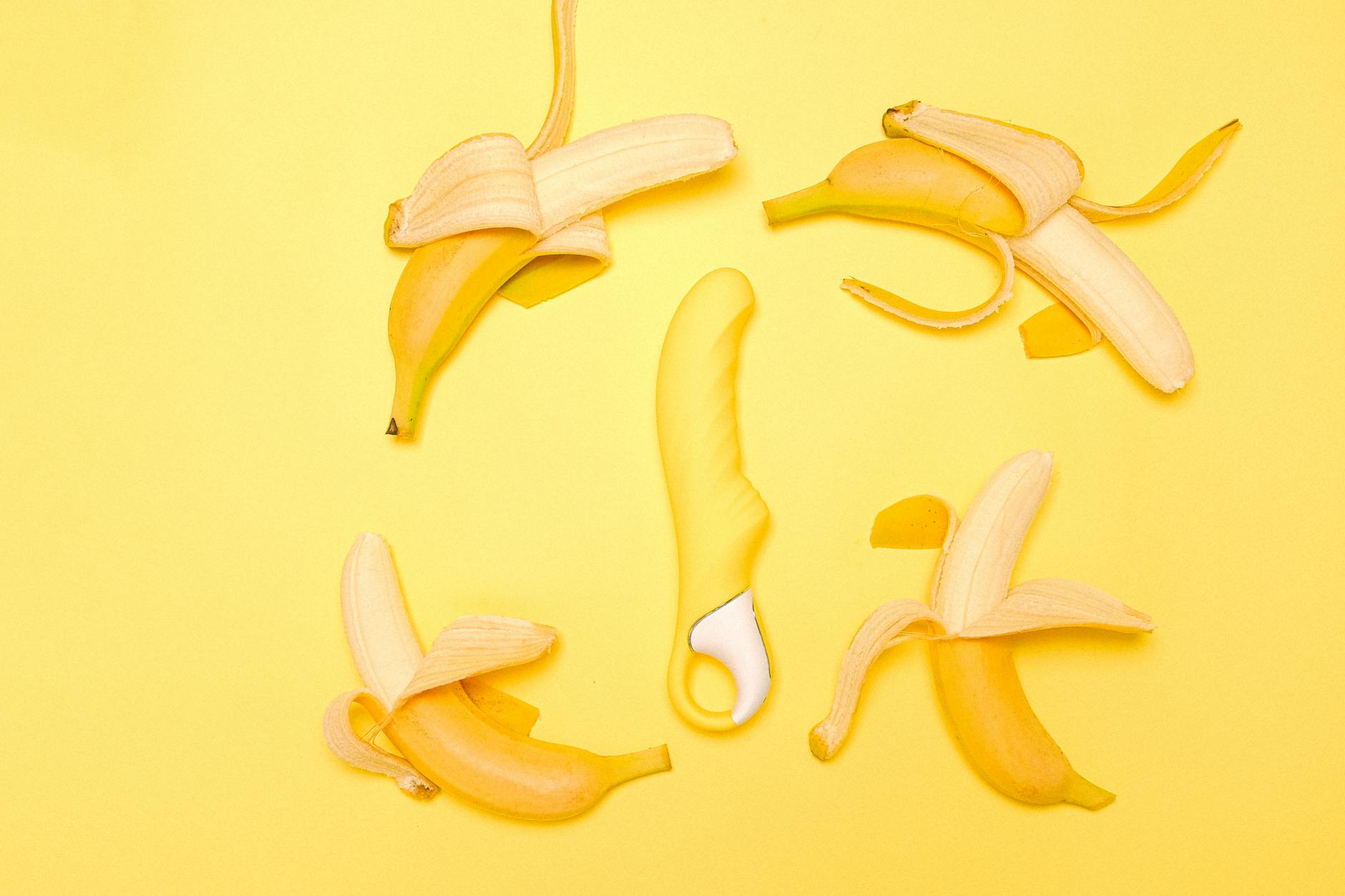
Here's what stays the same: your clitoral nerve density, your orgasmic capacity, and your ability to reach intense sensation. The suction technology in devices like the Lemon Vibrator actually becomes more valuable during this phase because it stimulates nerves more efficiently than friction alone, cutting through the slower arousal ramp.
The extended warm-up protocol
If you're used to jumping straight into clitoral stimulation, this is where you shift. Budget twenty-five to thirty-five minutes for a solo session, not ten to fifteen. That sounds long until you realize most of those minutes aren't spent on the vibrator itself.
Start with something unsexy but necessary: mindfulness. Two or three minutes of sitting quietly, breathing, noticing what your body feels like right now. No pressure to feel anything particular. Just presence. This preps your nervous system to receive sensation.
Then move to non-genital touch. Massage your neck, collarbone, inner arms, or thighs. Use your hands or a soft brush. Spend five to eight minutes here, focusing on areas with high nerve density that aren't directly sexual. This wakes up your tactile sensitivity and signals to your brain that arousal is beginning.
Only then do you move the Lemon Vibrator into play. But start at the lowest setting. Patterns one through three. Spend two to three minutes just letting your body register the sensation without expecting arousal to spike immediately. This patience is where most people fail. They jump to high intensity too soon and then feel frustrated when the body doesn't respond.
Layering sensation for slower arousal
When arousal is slow to build, one tool alone often feels insufficient. Layering works better. Use the Lemon Vibrator on your clitoris while simultaneously touching your breasts, stroking your inner thighs, or using your free hand on your vulva. The multiple points of stimulation create a more complex arousal pattern that often compensates for the slower initial response.
If you have a partner, this is actually easier. They can touch your breasts or stimulate the sides of your vulva while you use the Lemon Vibrator on your clitoris. The combination signals your nervous system more clearly that arousal is happening, which can speed up the mental component of pleasure even if the purely physical arousal curve is slower.
Timing matters too. Arousal during perimenopause is sometimes delayed by twenty or thirty minutes of consistent stimulation rather than immediate. This is normal. You're not numb. You're not broken. You're just operating on a different timeline. Stay patient and keep the sensation consistent rather than stopping and restarting.
Pattern selection and intensity progression
The Lemon Vibrator offers multiple patterns and intensity levels. During perimenopause, start with gentler, longer patterns rather than intense pulsing ones. Steady stimulation allows your body to build arousal incrementally. Intense pulses can feel overwhelming if your nervous system isn't yet fully primed for sensation.
Once you feel arousal beginning to build, then experiment with intensity. Patterns two or three at medium strength often work better than jumping straight to high. As arousal deepens, you can shift to the patterns that feel most pleasurable. The key is letting your body set the pace rather than forcing it to match the intensity immediately.
Some people find that varying the pattern during a session helps sustain arousal. Try a steady pattern for two minutes, switch to a pulsing pattern for two minutes, then return to steady. The variation keeps your nervous system engaged rather than adapting to the same stimulus.
Using lubrication strategically
During perimenopause, natural lubrication can be lighter and slower to arrive. This isn't a sign to avoid the Lemon Vibrator. It's a sign to use external lubrication without hesitation. Water-based or silicone-based lube isn't a failure. It's a tool that makes the entire experience more comfortable and often more pleasurable.
Apply lube generously around your clitoris and vulva before you start, and reapply partway through your session if things start to feel dry. The Lemon Vibrator's suction technology works excellently with lubrication because the seal creates better suction without friction. You'll often feel more intense sensation with proper lube than without it, even though you're using a lower intensity setting.
This is counterintuitive for some people. More lubrication feels like it should dilute sensation. Actually, it allows better contact and more efficient nerve stimulation. Test it yourself. You might discover that lubrication plus the Lemon Vibrator at medium intensity feels better than no lubrication at high intensity.
Mental arousal during slower physical response
Here's something that often surprises people: during perimenopause, mental arousal and physical arousal sometimes disconnect. You might feel mentally interested in sex but notice your body isn't responding as quickly as your mind wants it to. This creates frustration, which then suppresses arousal further.
The solution is to let your mind lead without forcing your body. Spend time with fantasies, erotica, or partnered talk before introducing any vibration. Let arousal build in your mind and nervous system before you ask your clitoris to respond. Sometimes the mind leads and the body follows. That's fine.
If you find yourself distracted during the extended warm-up, that's also fine. Perimenopause often brings scattered attention, racing thoughts, or difficulty focusing on sensation. You're not losing your capacity for pleasure. Your brain is managing significant hormonal fluctuation. Gentle acceptance of this helps more than frustration.
When to see someone
If arousal is slow but is still happening, you're fine. Keep adjusting your approach. If arousal has stopped completely despite longer warm-up periods and mental engagement, that's worth discussing with a doctor. Certain perimenopause symptoms respond to topical hormone creams or other interventions. You don't have to white-knuckle through this phase.
Similarly, if extended warm-up leads to discomfort or pain in your vulva or clitoris, don't push through. That's different from slowness. Pain is signal that something needs professional attention.
The reality of perimenopause pleasure
Your body is changing. The timeline is longer. The approach needs to shift. And somehow, many people report that once they stop fighting the slower rhythm and actually lean into it, pleasure becomes deeper and more complex than it was before. Longer arousal means more time for subtle sensations to emerge. It means you notice things you raced past at thirty-five.
The Lemon Vibrator isn't magic. It's a tool that works particularly well when your body needs efficient clitoral stimulation within a longer overall arousal window. Pair it with patience, presence, and a willingness to meet your body where it actually is right now. That combination works.
People also ask
How long does it take to get aroused during perimenopause?
Arousal during perimenopause typically takes fifteen to thirty-five minutes, compared to five to ten minutes in earlier decades. This varies significantly month to month depending on where you are in your hormonal cycle. Some days feel relatively normal. Other days, arousal is slower. This isn't permanent. It's a phase-specific shift.
Can the Lemon Vibrator help with slow arousal during perimenopause?
Yes. The suction technology in the Lemon Vibrator stimulates clitoral nerves very efficiently, which can help compensate for slower blood flow and reduced natural lubrication. Because it creates sensation through suction rather than friction, it often works well when your body needs gentler initial contact that builds to intensity.
Should I use a different vibrator during perimenopause?
Not necessarily. The issue isn't usually the vibrator. It's the approach. If you're using high-intensity settings right away and expecting immediate arousal, slower arousal feels like a failure. If you shift to longer warm-up, lower initial intensity, and patience, most vibrators work fine. Some people find that suction-based designs like the Lemon Vibrator feel more responsive during this phase because they don't rely on friction, which can feel uncomfortable on tissues that are adjusting to hormonal changes.
Is slow arousal during perimenopause permanent?
No. Perimenopause is a transition phase lasting three to ten years. As your hormones eventually stabilize post-menopause, your arousal timeline may shift again. Some women find that post-menopause arousal becomes more predictable. Others find their timeline stays longer but they prefer the slower pace once they've adjusted. Either way, it's not permanent.
What if I'm not feeling aroused even with a longer warm-up?
That suggests something beyond the arousal timeline is happening. Low libido during perimenopause can relate to stress, relationship dynamics, sleep deprivation, or other hormonal factors. Before assuming it's just perimenopause, check your sleep, stress level, and whether something in your relationship has shifted. If everything else feels okay and arousal still isn't returning, talking to a doctor is worthwhile. Some people benefit from hormone support or other interventions.
Can stress make perimenopause arousal even slower?
Absolutely. Perimenopause already shifts your nervous system. If you're also managing work stress, relationship strain, or family pressure, your nervous system stays in a more activated state, which further suppresses arousal. Managing stress through movement, sleep, or therapy often helps arousal return more quickly than any physical tool alone.
The long view
Perimenopause feels destabilizing because your body is actively destabilizing. You're moving from one hormonal baseline to another. During that transition, your arousal needs patience, presence, and flexibility. The Lemon Vibrator is useful here not because it's magic, but because it's efficient and adaptable. You can start gentle, build gradually, and shift your approach week to week based on where your body actually is.
If you'd like to explore more strategies for navigating pleasure during hormonal transitions, we're here to help. Reach out anytime at /contact.