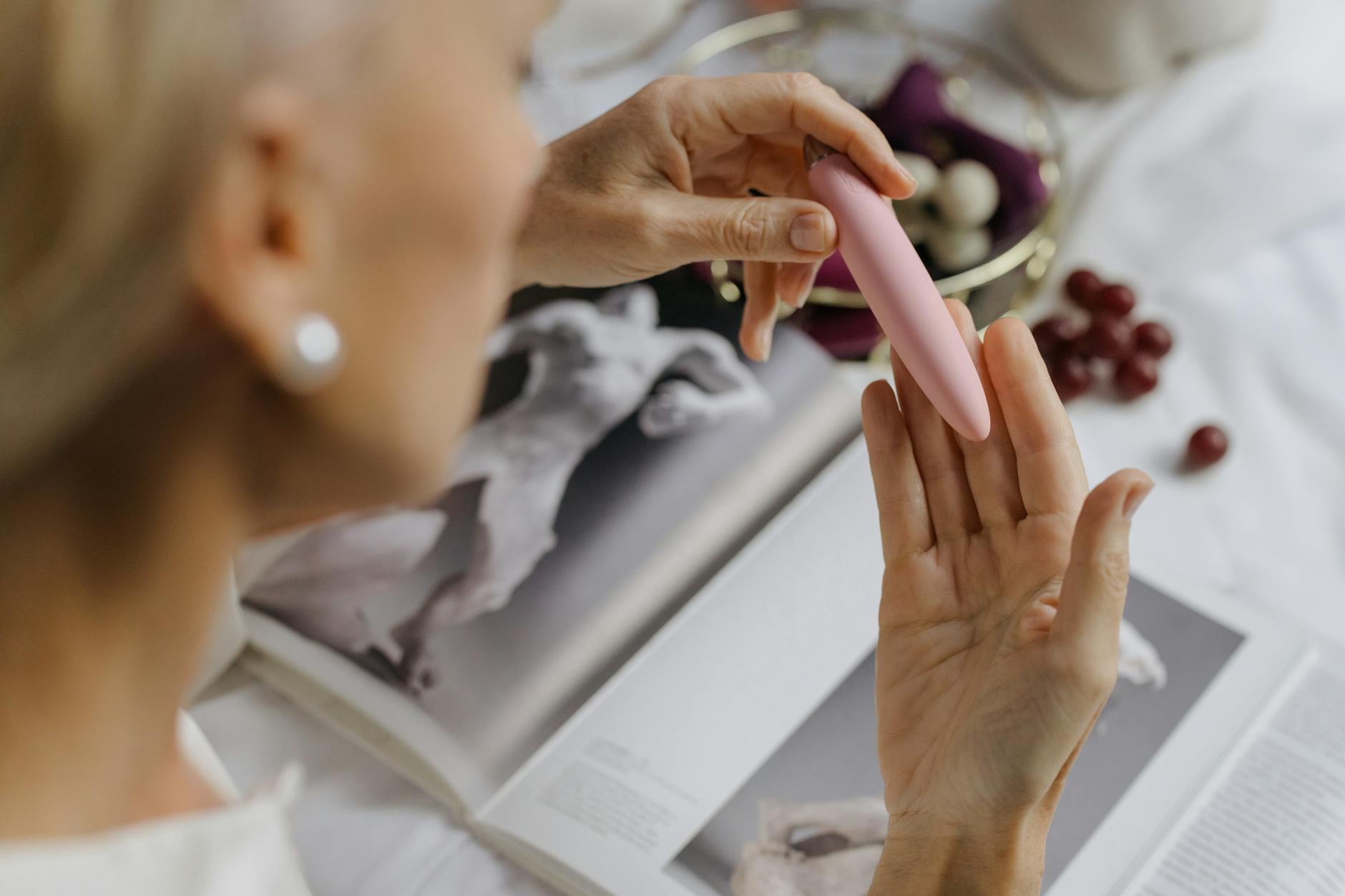
Let's start with the weird part
Your body isn't yours right now. Not in a scary way. In a "everything is flooded with new hormones and blood is redirecting to places you didn't expect" way. The first trimester of pregnancy rewires sensation more dramatically than most people talk about, and not always in ways you'd predict.
Some people report that pleasure intensifies during early pregnancy. Others find their clitoris goes numb. Both are completely normal. The good news: knowing what's happening makes navigating it with something like a Lemon Vibrator way less confusing.
What pregnancy hormones actually do to your nerves
Progesterone floods your body in the first trimester. This hormone doesn't just prepare your uterus. It also shifts blood flow patterns, increases sensitivity in your genital tissue, and can make nerve endings feel either hyperaware or weirdly distant.
Estrogen climbs too, which thickens vaginal tissue and increases lubrication (that part is usually good news). But here's the trade-off: all that extra blood flow and tissue swelling can make direct pressure feel too intense. Your clitoris might feel swollen, tender, or almost raw to the touch.
At the same time, the heightened blood flow means your arousal response can kick in faster. So you might get there quicker but need gentler stimulation to get there safely. This is where a suction-based device like the Lemon Vibrator becomes genuinely useful, because it doesn't rely on direct friction pressure.
Why suction works differently in the first trimester
Think of suction as invitation rather than pressure. A traditional vibrator buzzes against your clitoris. A Lemon Vibrator uses gentle suction to stimulate the nerve endings around and inside the clitoral head without requiring friction.
During the first trimester, when your tissue is already engorged and sensitive, that distinction matters. You can start at the lowest suction setting (pattern 1 or 2) and barely feel overwhelmed. The sensation is more about drawing blood into the area and creating a wave of pressure rather than a direct hammering sensation.
Many people pregnant for the first time are surprised by how much more easily they can reach orgasm during early pregnancy. Some of that is physiological. Some of it is psychological. All of it is worth exploring at your own pace.
Managing increased sensitivity without stopping altogether
If your clitoris feels raw or tender, stop using your vibrator the way you used to use it. That's not forever. That's just for now. Here are the actual adjustments:
Start lower and stay there. Spend more time at pattern 1 than you usually would. Your tissue is doing extra work already. It doesn't need aggressive stimulation to respond.
Use more water-based lubricant than usual. Pregnancy hormones increase natural lubrication, but that doesn't mean external lube is a bad call. It actually reduces friction on already-sensitive tissue. Apply it generously, reapply if sensation starts to feel rough.
Shorter sessions work better. Instead of 15-20 minute sessions, aim for 8-10 minutes. Your body might reach orgasm faster anyway. Let it. You're not failing at anything by finishing sooner.
Give yourself permission to stop mid-way. If at any point during the session your clitoris shifts from "pleasantly stimulated" to "okay this feels too much," stop. Turn it off. Wait five minutes. Your tissue will calm down. This is normal adaptation, not a sign you should avoid pleasure entirely.
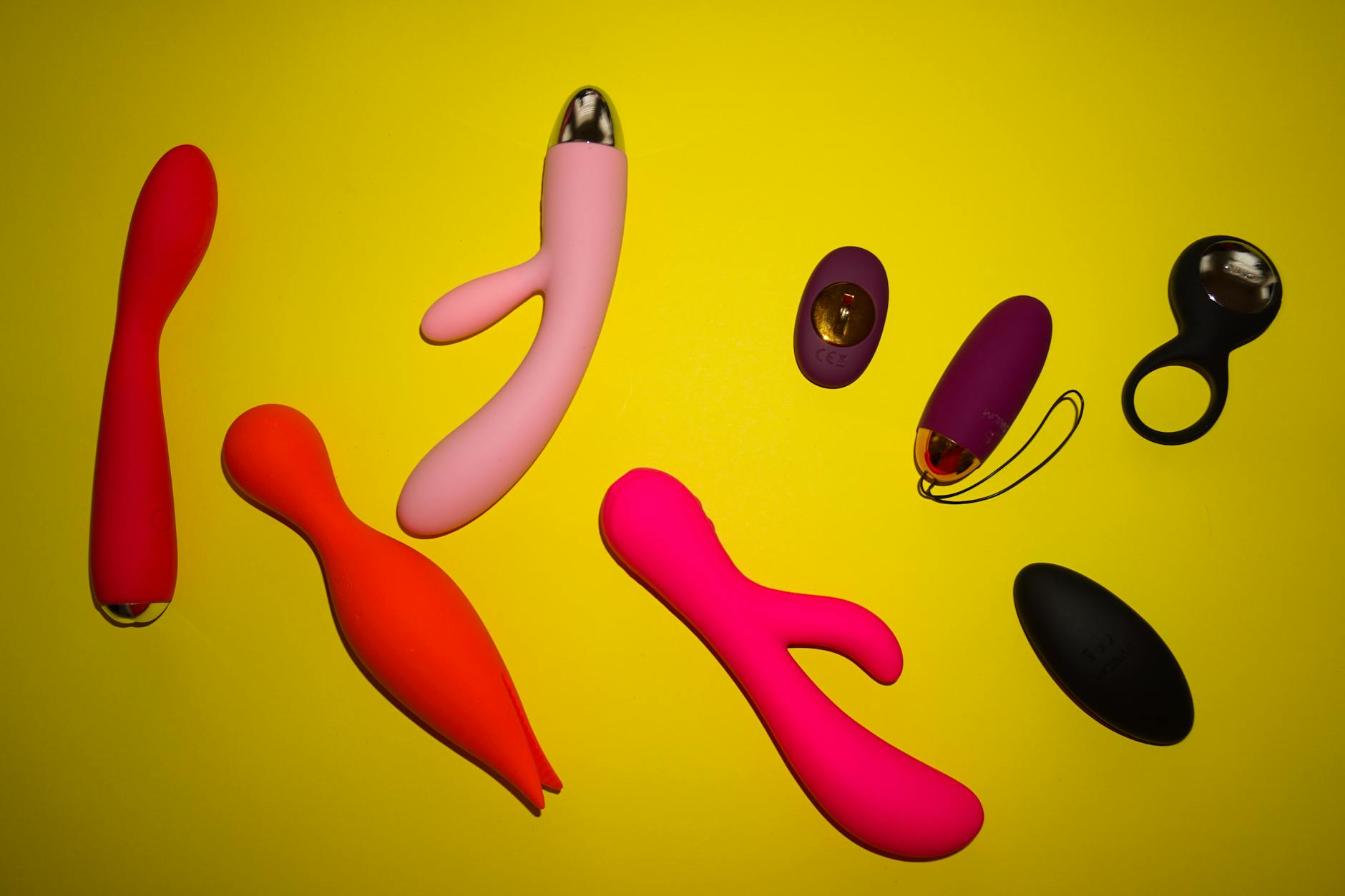
Photo by FounderTips on Pexels
The emotional part that nobody explains
Honestly, the physical adaptation is the easy part. The harder part is the noise in your head about whether pleasure is safe, whether using a vibrator might affect the pregnancy, whether you're allowed to prioritize this when everything else feels uncertain.
Let's be clear: using a Lemon Vibrator during a healthy first trimester pregnancy is safe. Orgasms are safe. Pleasure is safe. Your baby doesn't feel it. Your orgasm doesn't trigger miscarriage (if your pregnancy is viable, orgasms won't end it). The vibration doesn't penetrate deeply enough to affect the uterus.
What sometimes happens instead is that the emotional weight of early pregnancy makes sex feel low-priority or complicated. Your partner might be nervous. You might feel weird in your own body. You might be exhausted or nauseous (the first trimester is genuinely brutal for some people). Using a solo tool like a Lemon Vibrator lets you explore pleasure on your own terms, separate from partner dynamics, at a pace that feels good.
Many people find that solo pleasure during early pregnancy is a way to stay connected to their body while everything is shifting. It's low-pressure, it's yours, and it reminds you that your body can still feel good even when it feels totally foreign.
When to pause and check with your doctor
If you have a history of miscarriage, placental issues, or your pregnancy is considered high-risk, check with your OB before using a vibrator. Most doctors will give you the green light, but yours might have specific reasons to recommend caution. That's information worth having.
If you experience cramping during or after vibrator use, that's worth noting and mentioning to your care provider. Some cramping is normal in early pregnancy. Some isn't. Let your doctor help you sort that out.
If your tissue starts bleeding or you develop any kind of discharge that looks unusual (beyond the normal increase in cervical fluid that pregnancy brings), stop and call your OB. This isn't about vibrators being dangerous. It's about your body telling you something needs attention.
Reframing pleasure during this weird transition
The first trimester is already disorienting. Your body is doing something massive and invisible. Your hormones are running the show. Using a Lemon Vibrator during this time isn't about maintaining the pleasure you had before pregnancy. It's about exploring what pleasure looks like right now.
That might mean lower intensity, shorter sessions, or discovering that certain patterns feel weird and others feel incredible. You might learn that you prefer suction over vibration in ways you never expected. You might find that orgasm feels deeper or more full-body than it did before.
All of that is useful information about your body. Keep it. Build on it. This season doesn't last forever, but what you learn about yourself during it does.
FAQ: First Trimester, Lemon Vibrators, and Pleasure
Is it safe to use a clitoral vibrator during the first three months of pregnancy?
Yes. Using a Lemon Vibrator or any other clitoral vibrator during a healthy first trimester pregnancy is safe. The vibration doesn't reach the uterus or embryo. Orgasms won't trigger miscarriage in a viable pregnancy. If your pregnancy is high-risk or you have a history of complications, confirm with your OB, but for most people, clitoral pleasure is completely fine.
Why does my clitoris feel more sensitive during early pregnancy?
Progesterone and estrogen surge during the first trimester, increasing blood flow to your pelvic area and thickening genital tissue. This heightened vascularity makes nerve endings more responsive but also sometimes more tender. Your clitoris might feel swollen or almost raw to direct touch. That's not abnormal. It usually settles by the second trimester, though some people stay more sensitive throughout pregnancy.
Should I use a different pattern or setting on my Lemon Vibrator while pregnant?
Yes. Start with lower suction settings (pattern 1-2) and pay attention to how your tissue responds. You might find that the gentle suction approach works better than it did before pregnancy. Some people use the same pattern they always use and feel fine. Others need to dial it back. Let your body tell you what's comfortable, and give yourself permission to adjust session to session.
Can orgasms cause cramping during the first trimester?
Orgasms can trigger mild uterine contractions. This is normal and not dangerous. If you experience severe cramping during or after using your vibrator, that's worth mentioning to your OB. Mild cramping that feels like a slight tightening is typically fine. Your doctor can help you understand what you're experiencing and whether to adjust.
Does using a vibrator increase the risk of infection during pregnancy?
No, not if you're keeping your vibrator clean. Wash your Lemon Vibrator with warm soapy water before and after use, just like you normally would. Pregnancy does increase your risk of yeast infections due to hormonal changes, but that's not caused by vibrator use. Standard hygiene practices are sufficient.
What if my partner and I want to use a Lemon Vibrator together during the first trimester?
That's fine too. The same safety guidelines apply. If penetration feels uncomfortable during early pregnancy (and for many people, it does), a Lemon Vibrator lets you both focus on external stimulation, which is often easier and more pleasurable anyway. Just keep communication clear, start slow, and stop if anything feels off. Check with your OB about penetration specifically if you've had any pregnancy complications.
The bottom line
The first trimester is a transition. Your body is changing. Your sensation is shifting. Your priorities might be different. That's all normal. Using a Lemon Vibrator during this time isn't about maintaining your pre-pregnancy rhythm. It's about discovering what feels good in your body right now, at a lower intensity, on your own schedule.
Your pleasure matters during pregnancy. It's not a distraction from the "real" work of growing a baby. It's part of staying connected to yourself while everything else is changing. Explore it gently. Listen to your body. And if you need to adjust what you're doing week to week, that's exactly what you should do.
If you have questions about what's normal for your specific pregnancy, your OB is your best resource. If you want more strategies for navigating pleasure during other life transitions, check out our guide on <a href="/en/blog/how-to-use-lemon-vibrator-during-perimenopause-when-arousal-takes-longer">how to use a Lemon Vibrator during perimenopause when arousal takes longer</a> or our article on <a href="/en/blog/how-to-use-lemon-vibrator-when-rebuilding-sex-life-after-medical-event">rebuilding your sex life after medical events</a>. Both dig into how your body's changes don't have to mean the end of pleasure, just a different shape for it.
Your pleasure is worth the attention. Even right now. Especially right now.