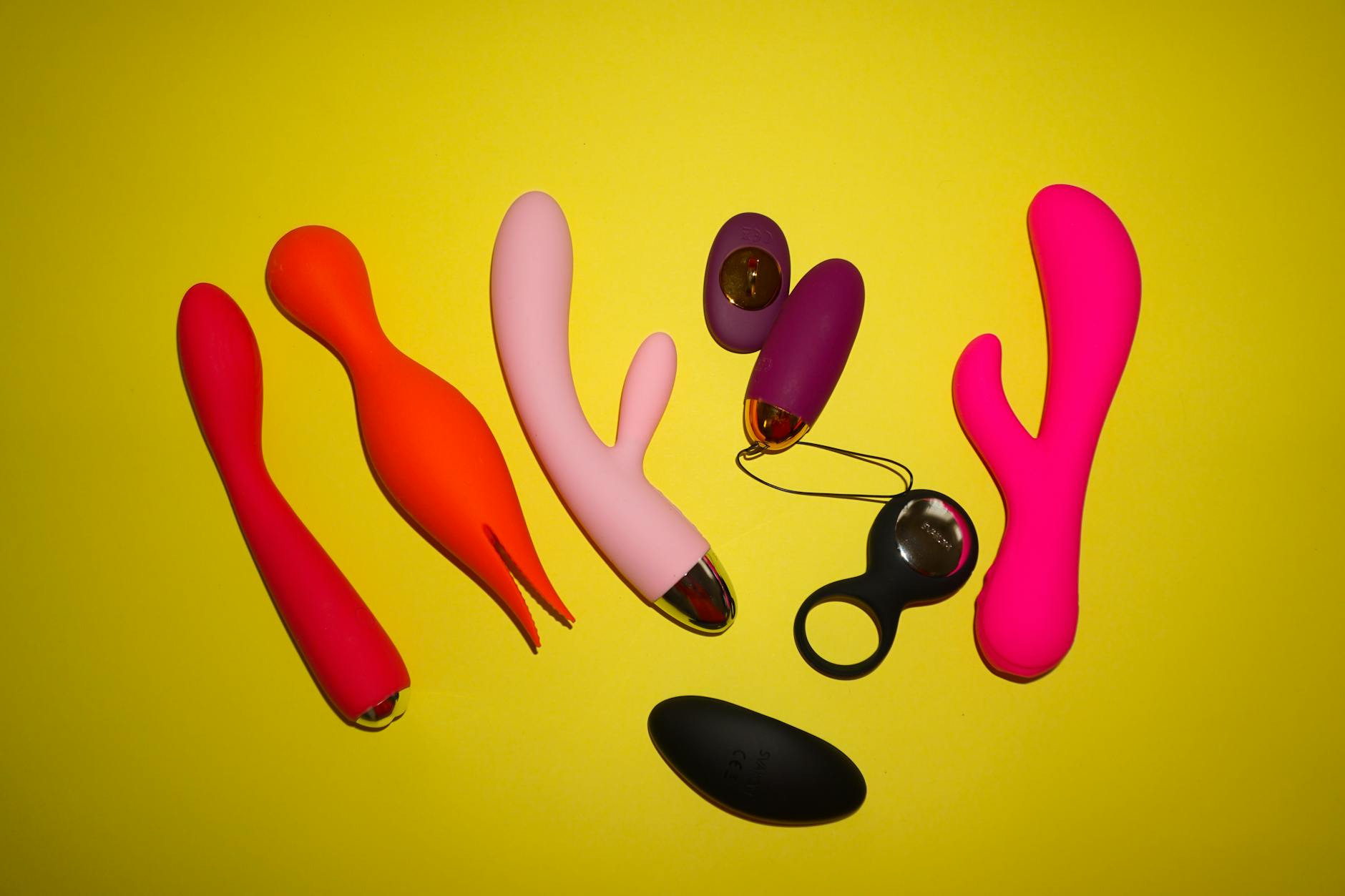
Your body heals on its own timeline. Here's exactly when and how to safely reintroduce pleasure using a lemon clitoral vibrator during postpartum recovery.
Let's be real: nobody tells you that reclaiming your sexual self after giving birth is as much about timeline and tenderness as it is about desire. Your body has done something extraordinary. It needs respect, space, and a slow, intentional return to sensation. That's not depressing. It's actually empowering once you know what to expect.
If you've been wondering whether you can use your lemon vibrator during postpartum recovery, the answer is yes, but not on day one. And that's the whole conversation.
Most healthcare providers give the green light for penetration and full sexual activity around 6 weeks after vaginal delivery or 8-12 weeks after cesarean birth. But your lemon clitoral vibrator requires a different conversation. Clitoral stimulation is gentler than penetrative sex. Many people feel ready for external pleasure much earlier, sometimes as soon as 3-4 weeks postpartum if you had a straightforward vaginal delivery with minimal tearing.
The key distinction: clitoral vibrators like the lemon sucker work on the external clitoris, which has a different healing timeline than internal tissue or a cesarean incision. That said, check with your healthcare provider before introducing any device. Every birth is different. Complications, episiotomies, tearing, or surgical delivery all change the timeline.
Honestly, the first time you even think about using your Hello Nancy lemon vibrator should come with permission from the person who knows your specific situation.
Your pelvic floor muscles took the weight of pregnancy and the force of labor. They're stretched, fatigued, sometimes torn. Stimulation during this phase isn't just about comfort. It's about understanding what sensation feels like in a body that's transformed.
Here's what you might notice: numbness, tingling, hypersensitivity, or a complete absence of the sensations you knew before pregnancy. That's not permanent. It's your nervous system recalibrating. Your pelvic floor needs time to regain tone and elasticity before intense stimulation feels genuinely pleasurable rather than overwhelming.
This is why suction-based clitoral vibrators can actually be useful during early postpartum recovery. The lemon vibrator's gentle suction doesn't require the direct friction that traditional vibrators demand. It's less aggressive on tissue that's still tender and more likely to feel good as sensation gradually returns.
Week 3-5 (very early, check with your provider first): If you're cleared by your doctor and you have zero tearing or a straightforward delivery, start by using your lemon vibrator on the lowest setting, for the shortest duration possible. Two minutes. That's it. You're not chasing an orgasm here. You're testing whether sensation feels safe and what your nervous system is telling you. Use it externally only, avoiding any direct pressure on your incision site if you had a cesarean delivery.
Week 6-8 (most common starting point): Once you've had the all-clear from your healthcare provider, you can increase to 5-10 minutes on low settings. The goal is reconnection, not intensity. Your clitoris hasn't gone anywhere, but your relationship to it has. Approaching it slowly rewires that relationship in a way that honors what your body has been through.
Week 9 onwards: You can gradually increase intensity and duration as sensation returns and your pelvic floor regains strength. But listen to your body. If something feels raw, numb, or wrong, stop and wait longer. Recovery isn't linear.
Pain is not normal. Pleasure involves discomfort sometimes, but sharp pain or burning sensation means stop and wait. Increased bleeding after use is a sign your tissues aren't ready yet. Heaviness in your pelvic floor afterward might mean you're pushing too hard too soon. And if you're feeling emotionally closed off or grieving your pre-pregnancy body, that's real too. Sometimes the blocks to pleasure are psychological, not physical. Both matter.
Honestly, if you're exhausted from newborn care, you're probably not physiologically ready for pleasure anyway. Postpartum fatigue rewires your nervous system in ways that make pleasure harder to access. That's not a failure. It's biology telling you that rest comes before sensation.
Postpartum recovery is a specific kind of identity work. Your body has shifted. Your time is no longer your own. Your partner (if you have one) has shifted too. Pleasure, in this context, isn't about performance or reaching orgasm quickly. It's about slowly recognizing that your body is still yours, that sensation still matters, and that taking 10 minutes for yourself is an act of self-preservation.
Many people avoid using their lemon vibrator postpartum because they feel like it's selfish or because they're grieving the way their body used to feel. Both of those feelings are legitimate. But they're also separate from the physical ability to experience pleasure. You can feel loss and still deserve sensation. They're not opposites.
If you're partnered, this is worth saying out loud: "I want to slowly reintroduce pleasure on my own terms, at my own pace." Your partner doesn't need to be involved. This is about you remembering yourself.
You'll probably want privacy and uninterrupted time. With a newborn, that means strategic timing. Early morning before they wake, during nap time, or after they're down for the night. Use your lemon clitoral vibrator in a comfortable position. Not lying flat on your back if that triggers pelvic heaviness. Maybe propped up on pillows or sitting. Pay attention to what feels supportive.
Use water-based lubricant even if you think you don't need it. Postpartum tissue is often drier than usual, especially if you're breastfeeding. And honestly, the ritual of lubricating slowly, intentionally, can be part of reconnecting with pleasure itself. This isn't rushed.
Clean your lemon vibrator before use with warm soapy water or a toy cleaner. Your immune system is managing a lot postpartum. Infection prevention matters more than usual.
If you're at 12+ weeks postpartum and sensation still feels completely absent, or if pleasure feels genuinely painful rather than tender, ask your gynecologist or midwife about pelvic floor physical therapy. It's not punishment. It's tool-building. A pelvic floor PT can assess what's actually happening in your tissue and guide you toward real recovery instead of just waiting and hoping.
Similarly, if the idea of pleasure makes you feel anxious or ashamed, or if you're struggling to feel connected to your partner, talking to a therapist who specializes in postpartum mental health can be transformative. Pleasure doesn't exist in a vacuum. Your emotional state matters as much as your physical healing.
Recovery isn't a race to orgasm. It's a slow, messy process of remembering that your body is an instrument of sensation, not just survival. Your lemon vibrator will still be there in 6 weeks, 3 months, or whenever your body feels ready. There's no prize for getting there faster.
You deserve pleasure again. Not because you've "earned" it or because you've been good or because your partner needs you to be ready. Because pleasure is part of being alive, and you're still alive. Your body is still yours. Start small, listen carefully, and trust that sensation will return. It always does.