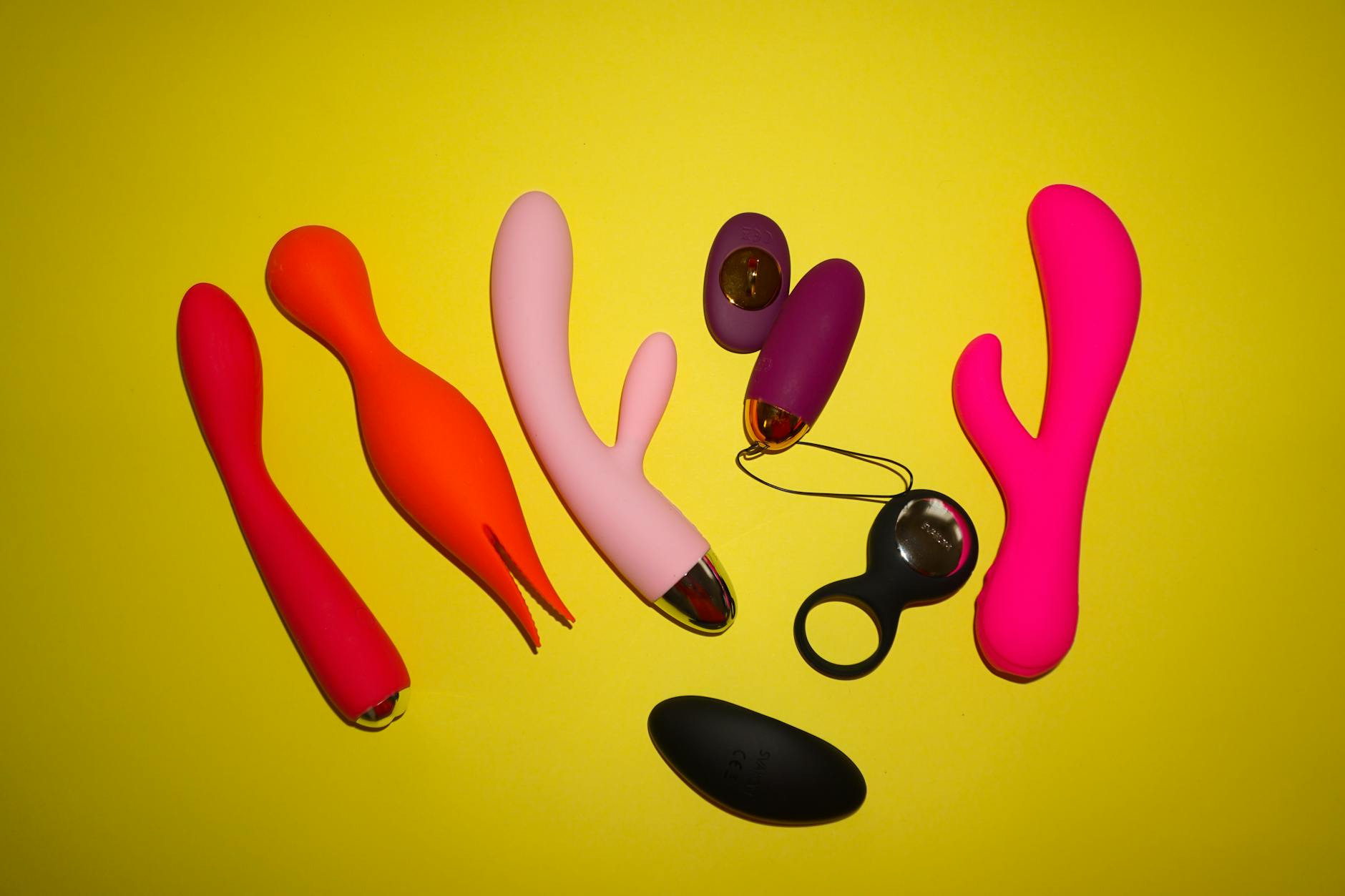
Let's name what's happening
You've been with your partner for years, maybe decades. The sex still happens. It's fine. But somewhere along the way, your body stopped lighting up. The pleasure used to be sharp and electric. Now it's muted, like watching something through glass.
This isn't laziness. This isn't age. This isn't that you don't love your partner. What's happening is neurobiological: your brain has habituated to the same stimulus. After years of the same touch, the same rhythm, the same person, your nervous system stops registering novelty. Sensation fades not because your body is broken, but because your brain has learned to tune it out.
The good news is that sensation can come back. Not by leaving your partner, not by creating crisis. By deliberately, thoughtfully rebuilding the conversation between your brain and your body.
How habituation actually works in long-term couples
When you first met your partner, every touch was new. Your dopamine system fired hard. Your clitoral tissue engorged faster. Your brain paid attention.
After years, your nervous system learns: "This is safe. This is known. This is familiar." That's supposed to be comforting. And it is. But comfort and arousal are almost opposite forces. Your body prioritizes safety over excitement.
Research on long-term couples shows that sensation numbness peaks around year seven to ten. By then, the neural novelty has completely worn off. You can touch your partner's skin and feel almost nothing. You can lie next to them in darkness and feel no pull.
This is why some couples report that a vacation, a new setting, or literally just a different time of day can suddenly restore sensation. Context matters. Novelty matters. Your brain needs a reason to stay awake.
The role your nervous system plays in pleasure (and why you're stuck)
Your clitoris is brilliant at sensing touch. But that signal has to travel to your brain, and your brain has to decide whether it's worth paying attention to.
When your nervous system is in a long-term familiar routine, it prioritizes efficiency over sensation. Familiar touch registers as low-priority information. Your brain is occupied with kids, work, finances, or just the weight of years. The subtle building of arousal that used to happen naturally now requires active focus.
Add stress, resentment, or emotional distance to the mix, and your nervous system goes into mild protective mode. Your body literally dampens sensation as a way of protecting you from having to feel neglected or unattended. It sounds strange, but the numbness is actually your nervous system being smart.
Waking it back up means retraining your brain to pay attention to sensation again.
Step one: Separate physical sensation from partnered sex
Here's what I tell couples in my practice: stop trying to fix this during sex with your partner. Not forever. But for the next two to four weeks, give yourself permission to explore sensation on your own.
This isn't about infidelity or fantasy. This is about retraining your nervous system to register subtle pleasure signals without the pressure of performance or the distraction of another person.
Set aside fifteen to twenty minutes alone, ideally at a time when you're not tired. Dimmed light, locked door, phone away. The goal is not orgasm. The goal is noticing. What textures feel good? Where on your body does sensation come back first? How long does it take to build arousal now?
Use your hands at first. Notice what you've forgotten about your own pleasure landscape. Then, if you want to experiment, tools like a lemon clitoral vibrator can help you access sensation more quickly. Suction-based stimulation bypasses some of the brain's habituation because it's a different sensation than fingers or a partner's touch. Your nervous system registers it as novel, which wakes you back up.
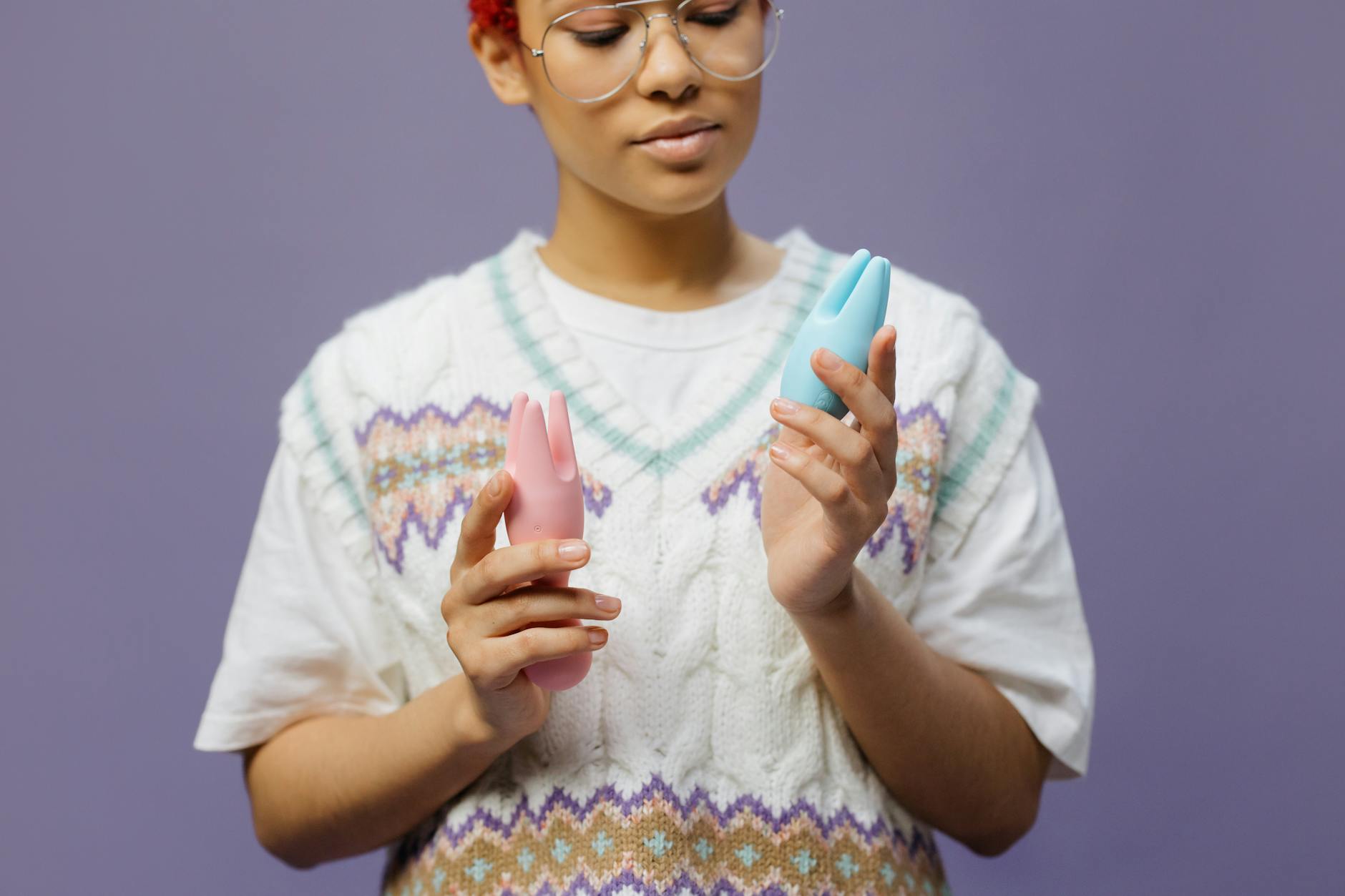
Photo by cottonbro studio on Pexels
Step two: Map what actually happens when you're alone
When you restart pleasure on your own terms, you get real data. Does arousal come back after five minutes of attention? Fifteen? Does clitoral sensation return quickly, or does it take persistent, gentle work?
Many people discover that their clitoris is actually fine. What's numbed is their brain's willingness to pay attention. They might feel nearly nothing for the first eight minutes, then suddenly sensation clicks on like a switch.
Other people discover they need external support. After years of the same pressure, the same rhythm, the same everything, their clitoris has stopped responding to gentle touch. A vibrator, especially one designed for clitoral suction like a Lemon Vibrator, can restart that responsiveness because it's offering a completely different sensory input.
Start on the lowest setting. Spend time noticing what pattern, what intensity, what timing actually registers. This is the map you're building.
Step three: Bring your body back into partnered space (carefully)
Once you've spent two to four weeks rebuilding your solo pleasure map, invite your partner into the conversation. And I mean actually invite them into it. Not by suddenly asking for sex. By talking about what you've learned.
Say things like: "When I spent time alone with my body this week, I noticed that sensation takes longer to build than it used to." Or: "I found that I respond really well to this particular sensation." Or: "I think I need us to slow down and spend more time on touch." Not "You're not doing it right." Just data. Shared observation.
This conversation often shifts something in the nervous system of both partners. Your partner learns that your numbness isn't about them. You learn that you're willing to take responsibility for your own pleasure. The dynamic changes from "fix me" to "let's figure this out together."
Then, when you reconnect physically, you can bring tools or techniques you've learned. Maybe that means using a Lemon Vibrator during partner sex, not as a replacement but as a bridge. Maybe it means asking for a specific kind of touch. Maybe it means scheduling time together instead of waiting for spontaneity that never comes.
Step four: Address what broke in the first place
Pleasure numbness in long-term relationships is rarely just about sensation. Usually there's emotional distance underneath it.
Maybe you've stopped talking about things that matter. Maybe small resentments have piled up. Maybe you've both been so busy that you've forgotten why you liked being in the room together. Maybe you're angry about something you haven't named.
Pleasure can't fully return until some of that gets addressed. Not by having a dramatic fight, but by having real conversations about how you've both changed, what you're each missing, what you each need that you're not getting.
I often recommend couples take a day or an afternoon alone together, without kids or distractions or the expectation of sex. Just talk. Really talk. About what you liked about each other before, what drew you together, what's shifted, what you want the next chapter to look like.
Physical sensation returns much faster when emotional connection is being rebuilt in parallel.
When numbness is also a sign of something else
Sometimes physical numbness is a symptom of depression, stress-related dissociation, or hormonal changes. If you've been working on sensation restoration for six to eight weeks and nothing is shifting, check in with yourself or a healthcare provider.
Medicines like SSRIs can mute sensation. Chronic stress absolutely does. Untreated anxiety can make your nervous system so hypervigilant that it actually dampens pleasure. If any of those sound familiar, addressing the root condition often brings sensation back faster than any technique can.
The thing nobody tells you about numbness
Sometimes, rediscovering pleasure in a long-term relationship means discovering a new kind of pleasure. Not what you had at the beginning. Something different, richer, more intentional.
Early passion is automatic. Long-term pleasure is built. It requires attention, honesty, and willingness to try things that feel uncomfortable at first. It requires you to stay curious about your partner and yourself, even after years.
The numbness isn't a permanent sentence. It's actually your body telling you that the old script isn't working anymore. Time to write a new one.
People also ask
How long does it usually take to restore sensation after numbness in a long-term relationship?
Most people notice shifts in two to four weeks of regular solo exploration. Real change in partnered pleasure often takes two to three months of consistent work. But the timeline depends on how deep the numbness goes. If it's purely neurological habituation, it moves faster. If there's underlying emotional distance or relationship conflict, you might need to work through that first. Be patient with yourself.
Can I use a clitoral vibrator like a Lemon Vibrator to restart sensation if nothing else is working?
Absolutely. Vibrators, especially suction-based ones, are genuinely useful tools for breaking through sensory habituation because they offer a stimulus that's completely novel to your nervous system. Start on the lowest setting and spend time noticing. Many people find that using a lemon clitoral vibrator during solo play for a few weeks actually retrains their nervous system to pay attention to sensation again. That heightened awareness then carries into partnered sex.
Is it normal to feel guilty using a vibrator with a long-term partner?
Very normal, and also worth examining. Some guilt comes from older messaging about toys being "cheating" or "not needed." They're neither. A vibrator is a tool for your pleasure, not a reflection on your partner. If your partner feels threatened by it, that's worth a conversation. But your pleasure is not less valid because you've been together for years. You deserve tools that help you feel good.
What if my partner isn't interested in rebuilding this with me?
That's a deeper relationship question that might benefit from couples therapy. If one person is willing to work on reconnection and the other isn't, that's a sign that something else is going on in the relationship. Numbness is a symptom. The underlying issue might be disconnection, resentment, or misalignment about what you both want. A therapist can help you figure out if this is something you can work through together or a sign that something bigger needs to shift.
Can numbness come back even after I've restored sensation?
Yes, if you fall back into the old patterns of routine and assumption. Pleasure in long-term relationships needs maintenance. That doesn't mean constant effort, but it does mean staying curious, trying new things occasionally, staying connected emotionally, and keeping communication open. The good news: once you know how to bring sensation back, you know how to do it again.
How is pleasure numbness different from low desire?
Numbness is physical. Your body isn't responding to touch the way it used to. Low desire is more about motivation. You don't want to have sex, even if your body might respond if you tried. They're related but different. Numbness can be fixed by restoring sensation and novelty. Low desire often requires looking at what's shifted emotionally or hormonally. Both are worth taking seriously and exploring with curiosity, not shame.
Moving forward
Pleasure doesn't die in long-term relationships. It goes dormant. Your nervous system learns to prioritize safety over excitement, familiarity over novelty. But you can wake it back up. Not by blowing up your life or leaving your partner. By getting deliberate, honest, and willing to try something different.
Start with yourself. Map your own body. Learn what actually works for you now, not what used to work ten years ago. Then bring that knowledge back to your partnership. Have real conversations. Stay curious. Give yourself permission to rebuild something that fits who you both are now, not who you were then.
Your pleasure matters. Even after all these years. Especially after all these years.
If you're looking for more support on rebuilding intimacy with your partner, reach out to us. We're here to help.