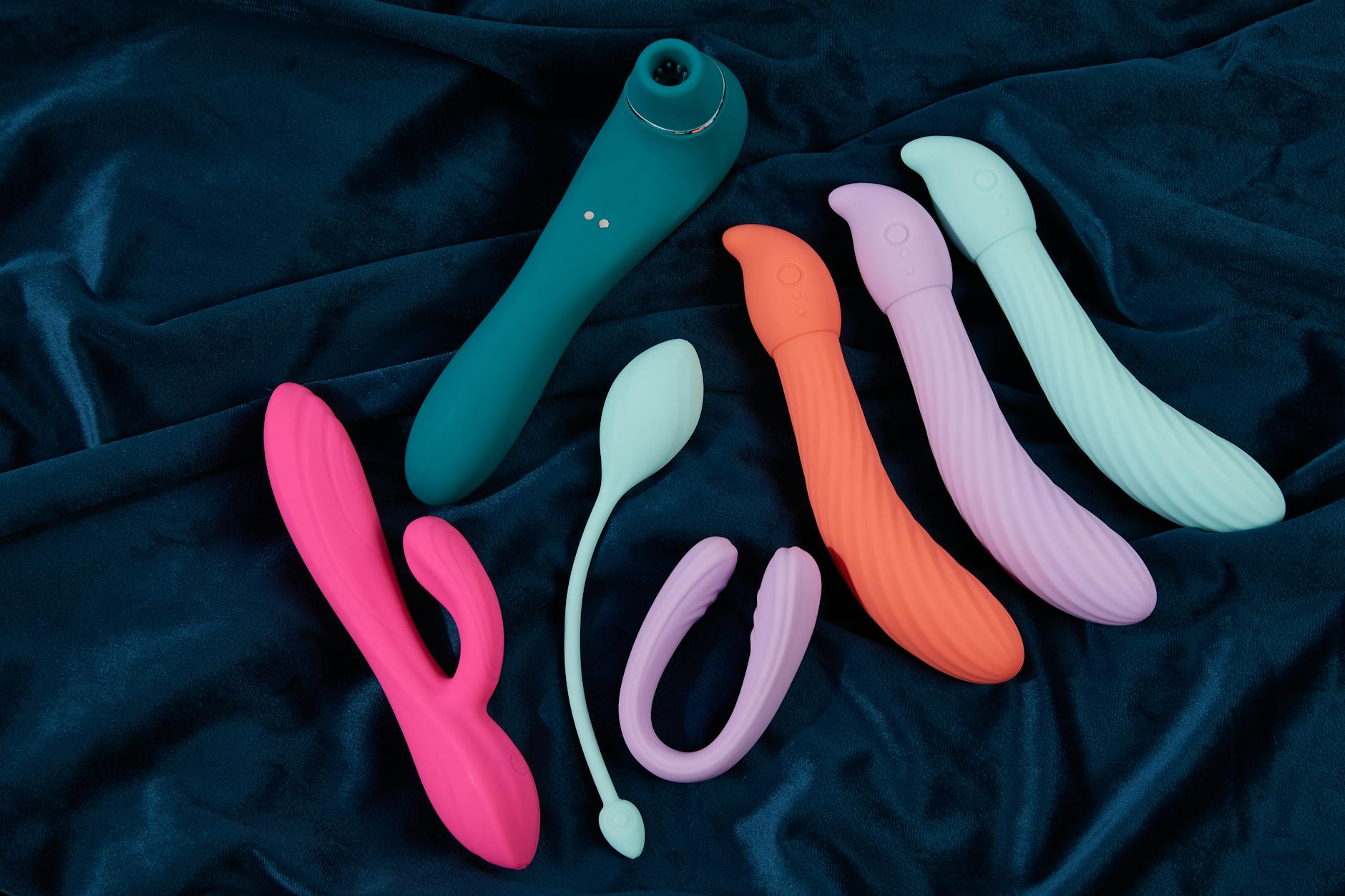
Let's talk about intensity the way nobody does
You picked up a lemon vibrator. You turned it on. And either it felt like nothing, or it felt like too much. Neither of those outcomes means the toy is broken or you're broken. It usually means intensity and your nervous system just haven't found their match yet.
Here's what I see in my practice with couples navigating pleasure and connection: people either chase intensity because they think stronger equals better, or they avoid it because they're afraid of numbness or overstimulation. Both approaches leave pleasure on the table. The actual skill is matching the vibration pattern to what your body is asking for right now, in this moment, in this season of your life.
What intensity actually does
Intensity isn't just "stronger vibration." It's the frequency and amplitude combined. A lemon clitoral vibrator uses air-suction technology, which means intensity works differently than traditional vibrators. Instead of buzzing harder, the suction gets stronger, creating a different kind of sensation altogether.
When you increase intensity on a lemon vibrator, you're not just adding volume. You're changing how the suction pulls on sensitive tissue, which changes the neural response. Lower intensities tend to create a more diffuse, spreading sensation. Higher intensities create a more concentrated, focused pull.
Your body's response depends on three things: how sensitive your tissue is today, whether your pelvic floor is tense or relaxed, and what you're actually trying to achieve. A pattern that was perfect last month might feel different now because your hormones, your stress level, or your emotional state has shifted.
The sensation spectrum: from gentle to intense
Most lemon vibrators offer settings 1 through 12. Think of them as a spectrum, not a hierarchy.
Settings 1-3 (Gentle). These are your exploration zone. Use them if you're new to this toy, if you have sensitive tissue, if you're recovering from childbirth or pelvic floor issues, or if you're just warming up. Gentle doesn't mean weak. It means controlled, sustainable, and forgiving. You can stay here for 20 minutes without numbness or fatigue.
Settings 4-7 (Moderate). This is where most people find their sweet spot for solo pleasure or partnered play. The suction is noticeable but not aggressive. You can feel the rhythm clearly without it dominating your nervous system. These settings work well if you want to build arousal gradually or if you're managing sensitivity from medication or hormonal changes.
Settings 8-10 (Strong). Here's where intensity becomes a feature, not just a volume dial. Strong settings are for when you know what you want and you want it fast. They work brilliantly if you're chasing a specific type of orgasm, if you have lower sensitivity naturally, or if you're trying to break through a plateau. The risk here is overshooting your comfort zone. Start at 8 before jumping to 10.
Settings 11-12 (Maximum). These are not for everyone, and that's completely fine. Maximum intensity is for people who genuinely prefer it, not for people who think they should prefer it. If you go here, you're looking at a shorter session time because the sensation is intense and the battery drains faster. This is where vibrator fatigue happens most often.
How to actually find your setting
Honestly though, the only way to know is to experiment with intention.
Start solo. Not because partnered play is bad, but because you need to know your own response first without anyone watching or waiting. Give yourself 15 minutes in a private space where you won't be interrupted.
Begin at setting 1. Spend 1-2 minutes just noticing the sensation. Not judging it. Not comparing it to what you expected. What does this actually feel like? Does it feel like anything at all?
Move up one setting every 2 minutes. Notice when the sensation shifts from subtle to noticeable. Notice when it starts feeling really good. Notice when it tips from good to uncomfortable. That tipping point is usually your signal.
For most people, their ideal intensity falls somewhere between 4 and 8. Below that and you're working harder than you should. Above that and you risk desensitizing the area or pushing yourself into overstimulation.
Here's the thing that changes everything: your ideal intensity today is not your ideal intensity in three months. Hormones shift. Stress changes sensitivity. Your pelvic floor tightens or relaxes. What felt perfect last summer might feel flat in winter. This isn't a bug. It's information. Your body is telling you something has changed.
Why intensity matters for your nervous system
I work with couples a lot, and a pattern I see is this: one person pushes toward higher intensity because they're anxious about not "feeling it" enough. Their partner then feels pressure to keep up, and suddenly pleasure becomes about proving something instead of feeling something.
Intensity is personal. It's not a flex. It's not a benchmark. It's a dial that you adjust based on what your nervous system needs right now.
Someone managing anxiety might find that moderate intensity (settings 5-6) is actually more arousing than high intensity, because their nervous system can stay open and receptive. Someone who's working through numbness from medication might need to gradually increase intensity to stay engaged. Someone recovering from pelvic floor tension might need to stay low and gradually build tolerance.
Intensity and pleasure don't always correlate
This is worth repeating because it's not intuitive. Higher intensity does not automatically equal more pleasure.
I've worked with clients who thought they needed to chase maximum settings because they weren't feeling satisfied. When we backed down to setting 6 and spent more time on arousal and connection, the orgasm was exponentially better. Why? Because the nervous system had room to relax and respond. Intensity was no longer fighting against tension.
There's also the refractory effect to consider. If you come hard and fast at high intensity, recovery time is longer. Your tissue becomes less responsive. If you build arousal more gradually with moderate intensity, you might be able to have multiple orgasms with better quality.
The goal isn't to find the strongest setting that works. The goal is to find the setting that gets you where you want to go without leaving you depleted or numb.
Matching intensity to your goals
What are you actually trying to do? This matters more than you'd think.
If you're exploring solo pleasure for the first time, start at 3-4. You're not trying to finish. You're trying to learn.
If you're building arousal with a partner, you might prefer 4-6 so you stay responsive and can shift gears if you want.
If you're chasing a specific orgasm type or you're managing low sensitivity, 7-9 is often the zone.
If you're recovering from numbness (whether from long-term toy use or from antidepressants), you might need to stay low and be patient. The sensitivity will come back, but it doesn't come back at high intensity. This is where how to restart lemon vibrator sensitivity after numbness becomes essential reading.
If you're dealing with pelvic floor dysfunction or tension, moderate intensity paired with relaxation is usually better than high intensity. Your pelvic floor can't fully relax if the sensation is overwhelming.
When to increase, when to stay put
You should probably try a higher intensity if you've been at the same setting for several months and it genuinely stopped feeling like much. That might signal adaptation. Bump up one or two settings and give yourself two weeks at the new level before assessing.
You should stay at your current intensity if the pleasure is still there, even if you feel like you "should" be able to handle more. Pleasure is the metric. Not capability.
You should decrease intensity if you notice: numbness developing, pelvic floor pain, overstimulation fatigue, or if you're feeling like you have to chase sensation instead of enjoy it. Lower intensity with longer sessions often beats high intensity with short bursts.
The conversation to have with a partner
If you're using a lemon vibrator with someone, the intensity setting becomes part of your communication. This is where relationship dynamics show up.
Maybe they want higher intensity and you prefer moderate. That's not a mismatch. That's data. You can use different intensities for different types of play. High intensity for quickies. Moderate for extended exploration. Low for recovery days.
The point is to talk about it like adults. "I love this at setting 5" is different information than "I can't feel anything at setting 3." One is about preference. One is about sensitivity. They require different solutions.
For more on navigating these conversations, how to choose the best lemon vibrator settings for partners who hate vibrators digs into that territory.
FAQ: Your intensity questions answered
Will higher intensity damage my tissue?
Not the intensity itself. What damages tissue is prolonged high-intensity use without breaks, not using lubrication, or using high intensity on tissue that's already irritated or thinned. If you're using a lemon vibrator correctly (with water-based lube, with breaks, on healthy tissue), high intensity is safe. The question is whether it serves your pleasure, not whether it's dangerous.
How do I know if I'm numb or just need higher intensity?
Try this: lower the intensity to 2 and spend 10 minutes with slow, deliberate strokes. If sensation comes back or improves, you were getting overstimulated, not underserved. If nothing changes, you might have reduced sensitivity from medication or hormonal shifts. The solution then is patience and lower intensity for a few weeks, not higher intensity.
Can I hurt myself by going straight to high intensity?
You won't hurt yourself, but you might overstimulate your nervous system and actually reduce pleasure. Think of it like turning up the music too loud. You stop hearing the melody. You just hear noise. Start low and work up. Your future self will thank you.
Does my lemon vibrator have to be the same intensity every time I use it?
Nope. Some days you want to ease in at setting 3. Some days you're ready for setting 7 immediately. Honor what your body is asking for today. Intensity isn't fixed. It's responsive.
What if my partner prefers lower intensity than I do?
Then you have options. Use it solo at your preferred setting. Use it together at a compromise setting. Use it on each other at different settings. Different intensities aren't a problem unless you make them one. They're just information about what different nervous systems need.
Is there a "right" intensity for orgasm?
No. Some people come reliably at setting 4. Some people need setting 9. Neither is right or wrong. The right intensity is the one that works for your body, your nervous system, and your goals right now. And that changes.
Your intensity is not your identity
I say this to clients often: the intensity you prefer doesn't say anything about your sexual power or your capacity for pleasure. It just says where your nervous system lives.
Some of the most satisfied people I know prefer moderate intensity. Some of the most frustrated people are chasing high intensity because they think they should. Pleasure isn't about proving anything. It's about knowing yourself well enough to ask for what actually works.
Start low. Pay attention. Adjust as you need to. That's the whole game.
If you want to explore this further or work through specific concerns about your pleasure and your body, reach out. That's what I'm here for.