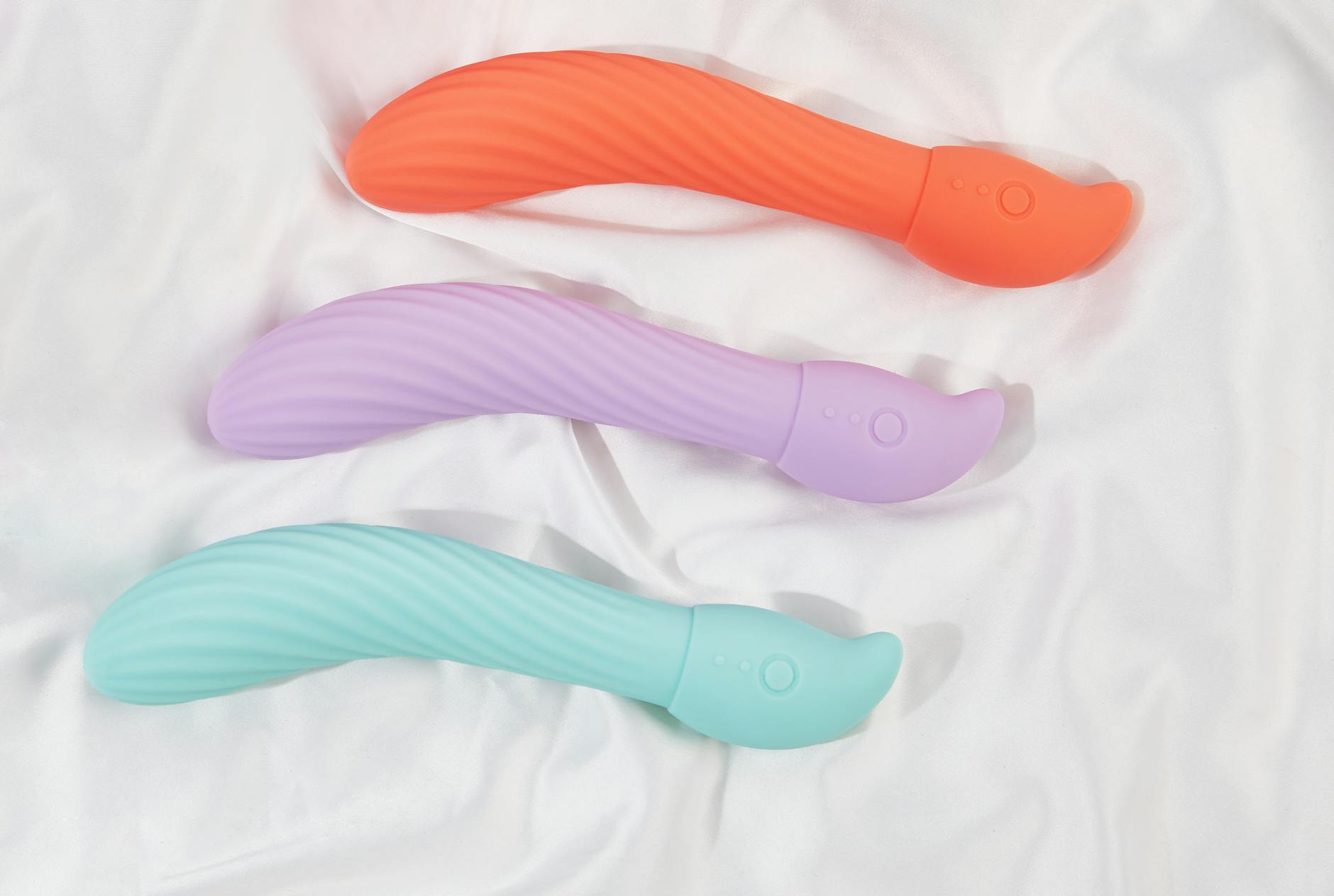
The timeline question everyone's afraid to ask
Let's be real: there's no universal answer. Some people dial in their ideal lemon vibrator settings in two sessions. Others take weeks. Both are completely normal, and neither means you're doing something wrong.
What I've learned from working with couples navigating pleasure and intimacy is that the process of finding what works is just as important as the outcome. The pressure to get it "right" immediately actually slows you down.
Why it takes longer than you'd think
Your body isn't a dial you twist until something clicks. It's a complex system that changes based on stress, hormones, emotional connection, time of day, and what you had for lunch. A lemon clitoral vibrator setting that felt perfect on Tuesday might feel too intense on Thursday.
There's also a learning curve that most people underestimate. The first time you use a lemon vibrator or any clitoral vibrator, your nervous system is processing new information. Your brain is learning what the sensation feels like, where you like it, how it pairs with your breathing, whether you prefer it during warm-up or later in your session.
That's not a malfunction. That's your body gathering data.
What the realistic timeline looks like
Week one (sessions 1-4). You're experimenting with intensity levels. Start at the lowest setting. This usually feels strange. You might think "that's not enough" or "that's weird" or both. This is the stage where most people jump to a higher intensity and declare medium-to-high their preference. Don't.
Stay with low intensity for your first two or three sessions. Let your nervous system acclimate. Notice what's actually happening versus what you expected.
Week two (sessions 5-8). You're finding a baseline. You probably have a sense now of whether you prefer the patterns available on your lemon sexual toy, or if you're gravitating toward one particular setting. You might notice that a level that felt intense last week feels comfortable now. This is normal adaptation, not numbness.
Weeks three through six (sessions 9-20). This is where the real discovery happens. You're no longer in novelty mode. You're learning what works in different contexts. Alone versus with a partner. Morning versus night. When you're relaxed versus when you're slightly stressed. Whether you like a particular setting during foreplay or closer to orgasm.
Beyond week six. You've found your rhythm. You have settings you reach for, patterns that feel reliably good. But your preferences might still shift based on your cycle, stress levels, medications, or relationship changes. This is why revisiting intensity levels every few months is actually smart practice, not a sign something's wrong.
The variables that change your timeline
Some people hit their sweet spot faster because they already understand their body's patterns. If you've spent years exploring solo play, you probably have a map of what works. Adding a tool like a lemon vibrator to that map takes less time.
If you're new to sex toys, or if you're exploring pleasure again after a long break, expect the longer timeline. Not because you're behind, but because you're gathering new information about yourself.
Previous experience with partners also matters. People who've communicated openly about pleasure before using a clitoral vibrator together tend to find their settings faster because they've already normalized the conversation. People who are introducing a lemon vibrator to a skeptical or uncertain partner often need extra time because you're managing both personal discovery and relational uncertainty.
Hormonal cycles shift sensitivity and arousal. If you menstruate, you might notice that a comfortable intensity in week two of your cycle feels harsh in week three. This isn't a problem. It's useful information that helps you understand what you actually like, rather than what you think you should like.
How to stop second-guessing yourself
One of the biggest delays I see is when people get trapped in analysis. "Is this setting actually better, or am I just used to it? Should I go higher? Am I sensitive enough?" That loop can keep you stuck for weeks.
Instead, treat it like this. Use the same setting for three consecutive sessions. Not three times in one night, but three separate sessions a few days apart. On the fourth session, try a different intensity. Notice the difference without judgment.
Write down what you notice if that helps. Not in a clinical way. Just "level three felt sharp" or "level two was boring but level three on the pulse pattern was interesting." Your own notes will become more useful than anyone's advice.
If you're using a lemon sucker or air-suction clitoral vibrator, the learning curve is slightly different. Suction works differently than traditional vibration, so you might need a little longer to understand your preferred intensity. This is why starting low is even more important with suction toys.
When you're exploring with a partner
The timeline stretches when you're introducing a lemon vibrator to someone else's body or preferences. You're not just finding what feels good. You're also navigating how this fits into your shared pleasure.
Start with the conversation before the toy. Talk about what you're hoping for. Are you exploring together because intimacy has stalled? Because one partner wants to expand what you do? Because you're just curious? The reason shapes how you approach it.
Then give yourself permission to take longer. If you're the partner introducing a lemon sexual toy to someone skeptical, you might not hit "comfortable" for a month or more. That's fine. You're building trust alongside sensation.
If both partners are new to lemon vibrators, you might actually move faster because you're curious together rather than one person being the expert and the other being the student.
Red flags that mean your timeline is stuck
Pain or numbness that doesn't resolve in two weeks. Discomfort that's sharper than just "new sensation feels weird." These aren't things to wait out. They're reasons to stop, rest, and consider whether this intensity level is actually right for your body, or whether you need to scale back.
Anxiety that intensifies with every session instead of settling. If you feel more nervous about using your lemon vibrator as time goes on, something's off. That might be pressure from yourself or from a partner. It might be that the timing isn't right. It might be that you need more warm-up or a different emotional context.
If you're using a clitoral vibrator with a partner and you feel more distant afterward instead of closer, that's information too. Take a pause. The tool isn't the problem. The context might be.
The permission you actually need
Your timeline is yours. Three sessions to find your settings? Great. Three months? Also completely normal. Your body's preferences might change seasonally, with stress, with new relationship dynamics, or for no reason you can identify.
The goal isn't to find one perfect setting and lock it in. It's to understand your body well enough to know what you're reaching for on any given day, and why. That knowledge is what makes a lemon vibrator actually useful. That's what the timeline is really about.
Stop measuring yourself against anyone else's experience. Start paying attention to your own.
FAQ: Finding Your Lemon Vibrator Sweet Spot
How many sessions do I need before I know if a lemon vibrator is right for me?
Give yourself at least four to six sessions before making a final call. The first session is usually novelty and surprise. The second and third are often "is this too much?" By session four, your nervous system has baseline data. Sessions five and six let you compare and contrast. If you're still uncomfortable or unsure after six sessions, it might genuinely not be the right tool for you. But most people find something click by then.
Can I use the same lemon vibrator intensity setting forever?
Not necessarily. Your body changes. Hormones fluctuate. Stress levels rise and fall. Medications shift. What felt perfect last month might feel too intense or too gentle now. This isn't a failure. It's actually a sign that you're tuned into your body. Check in with your preferences every couple of months, especially if you notice your orgasms feel different than they used to.
Why does my preferred intensity keep changing?
Three main reasons: hormonal cycles, nervous system state, and adaptation. Your clitoral sensitivity genuinely shifts through your cycle. Your stress level changes how stimulation feels. And yes, your body does adapt to repeated sensation, but that doesn't mean you're broken. It usually means you're learning what you actually enjoy versus what you think should work. Some people move to a different pattern rather than a higher intensity. Others do eventually prefer slightly higher intensity. Both are normal.
Is it normal that high intensity feels better when I'm more aroused?
Completely. Arousal is partly about increased blood flow and heightened nerve sensitivity. When you're very aroused, more intense stimulation often feels better because your tissues are more receptive. This is why warm-up matters. It's why the same setting can feel perfect during foreplay but too intense during solo play when you skip warm-up. Pay attention to your arousal state when you're evaluating intensity.
What if my partner prefers a different lemon vibrator setting than I do?
Then you use it on their terms when it's their turn. A clitoral vibrator isn't shared like a toothbrush. The setting that's right for your body isn't right for someone else's. Have the conversation about what each of you prefers. If one partner likes medium and the other likes low, you start at low and can adjust upward if the receiving partner asks. Let the person experiencing the sensation be the one choosing the intensity.
How do I know if I should go higher or if I just need more warm-up time?
Try this: on one session, increase your warm-up time by five to ten minutes before using your lemon sexual toy. Don't change the intensity. See if it feels different. If it feels better with more warm-up, you've got your answer. If it still feels unsatisfying after extended warm-up, then you probably do want to try a higher intensity on your next session. This isolates the variable so you know what's actually making a difference.
Can lemon vibrators cause permanent changes to my sensitivity?
No. Temporary adaptation is real and normal. Permanent numbness is not a known side effect of using lemon clitoral vibrators or any quality toy. If you experience numbness that doesn't resolve after a few days of rest, that's a signal to take a break, possibly talk to a provider, and reassess how you're using the toy. Most often, numbness comes from using high intensity for too long, not from the tool itself.
Finding your setting is just the beginning
Once you know what works, you can start playing with context. How does this setting pair with different kinds of touch from a partner? What happens if you use it with lube? How does it feel during different positions? That's where real pleasure exploration begins.
But you can't skip the timeline. You can't fast-forward through learning your own body. The weeks it takes to find your rhythm aren't wasted time. They're the foundation of knowing yourself, communicating what you need, and actually enjoying the tools designed to help you feel good.
The lemon vibrator isn't magic. Your attention to what your body is telling you is. Give yourself the time to listen.